丽江:与山川共流转
步入大研古城。向下看——玉龙雪山的融水在脚下蜿蜒,清澈见底,连每颗鹅卵石都清晰可见。这里的生活随水而动:有的水潭供饮用,有的供洗涤,人们对每一处水源都心怀敬意。
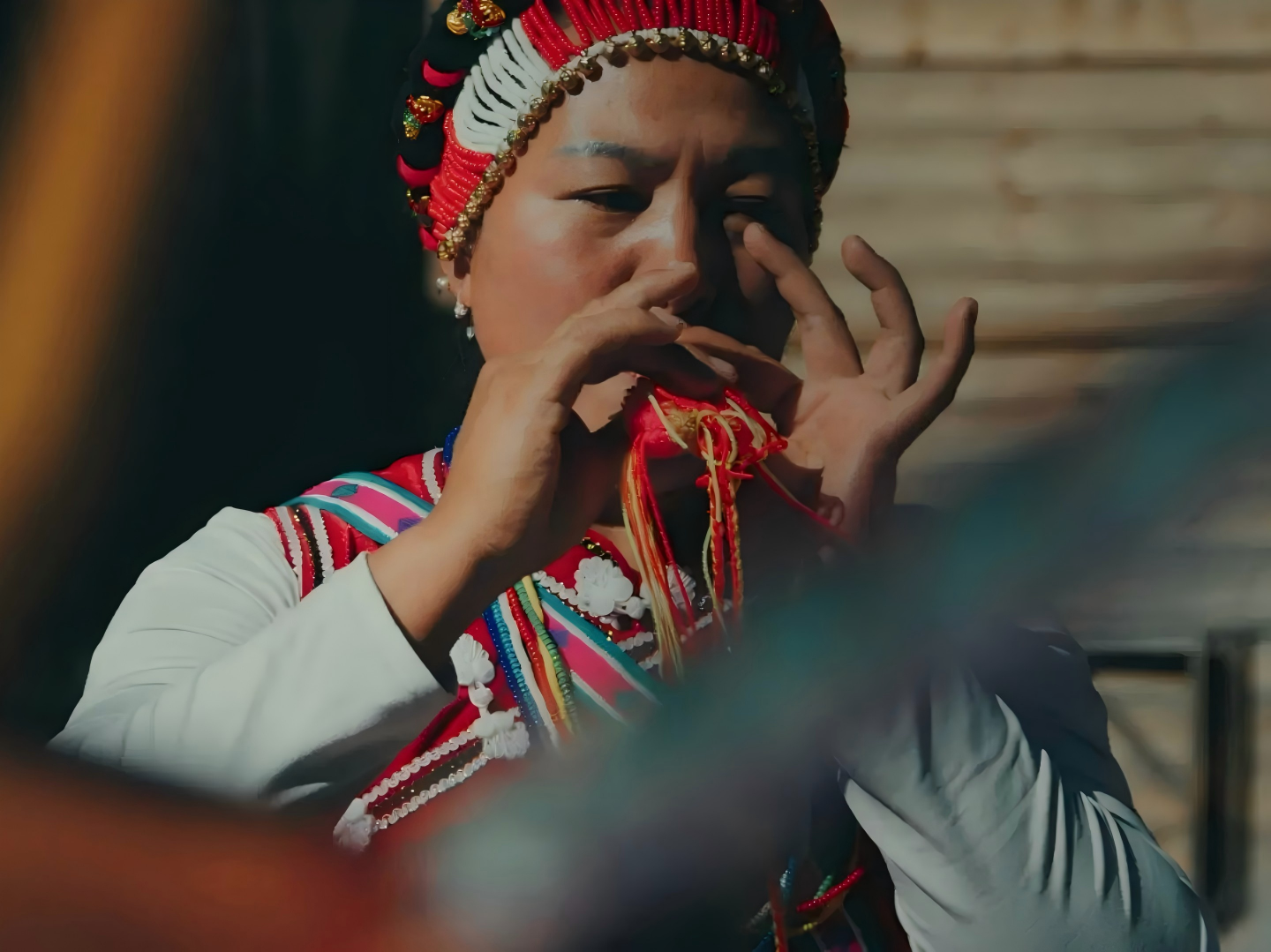
顺着溪流,您会看到纳西人在四方街围圈而舞。无需言语——手牵着手,面带微笑,共享着同一节拍。
住进静谧的客栈,喝一杯主人亲手烤制的茶,先苦后甜。细听:匠人在雕刻、刺绣,悠扬的古乐在回荡。每一道声音、每一个动作,都仿佛带着历史的温度,鲜活而生动。
而玉龙雪山始终伫立在上方,无言地塑造着时光,指引着生活,也静默地传授着何为极致之美。
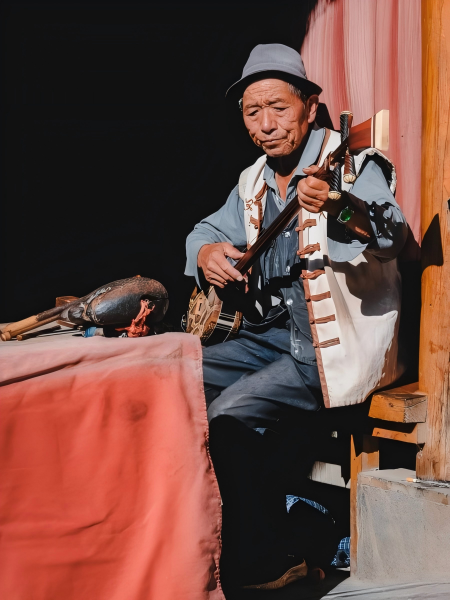
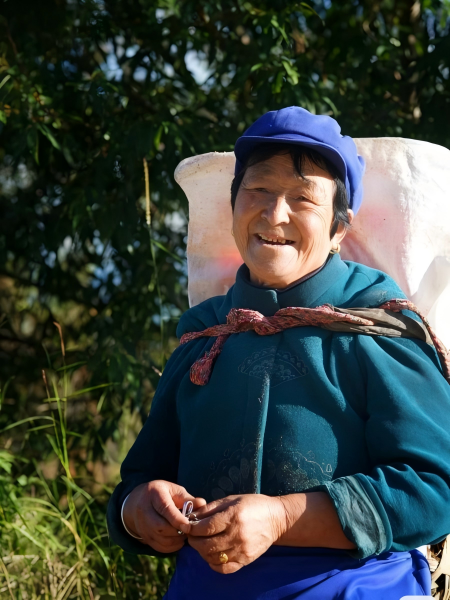
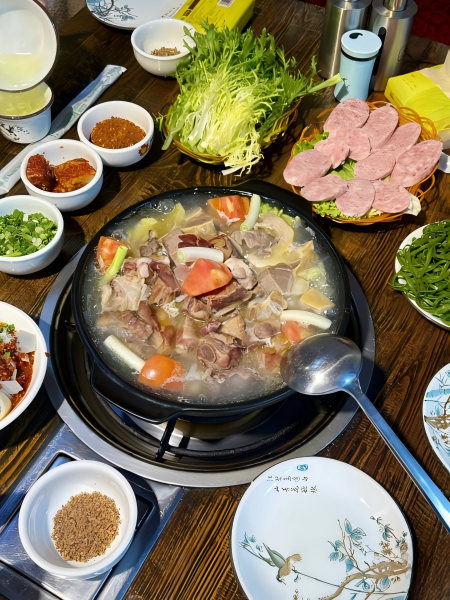
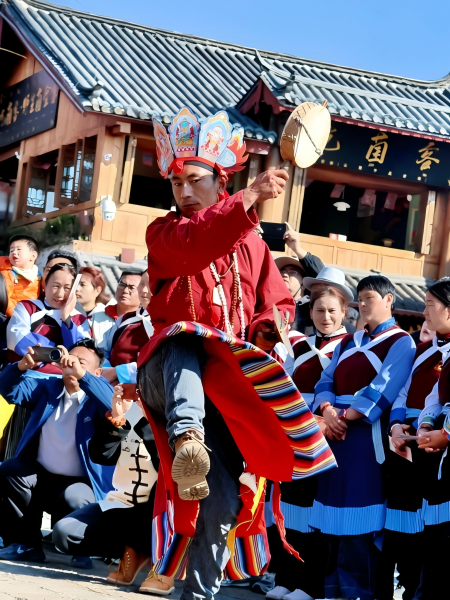
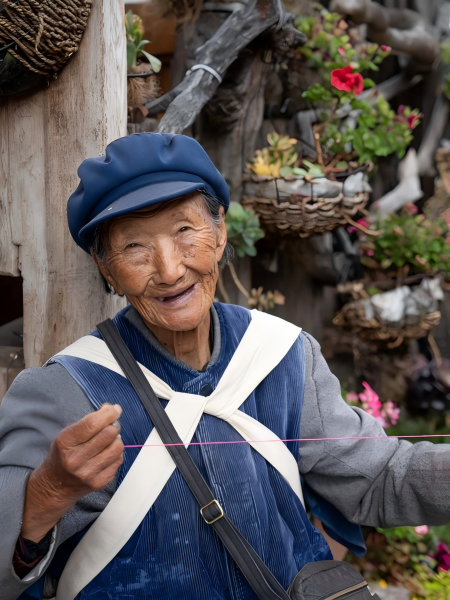
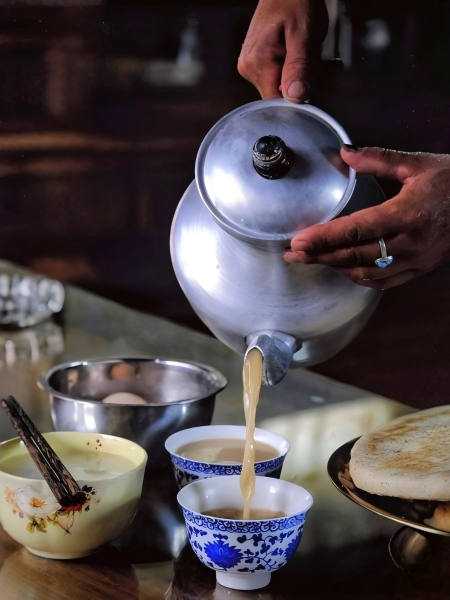
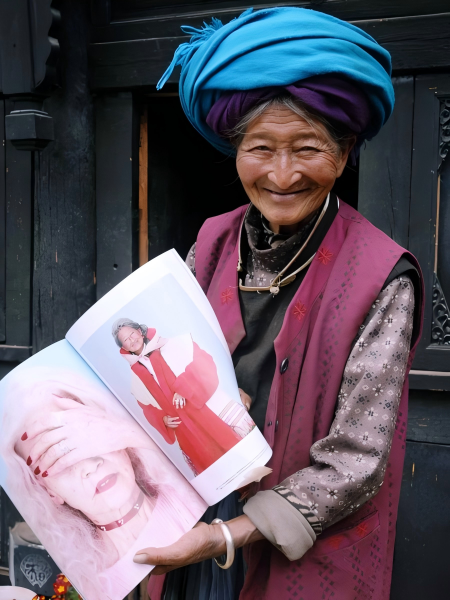
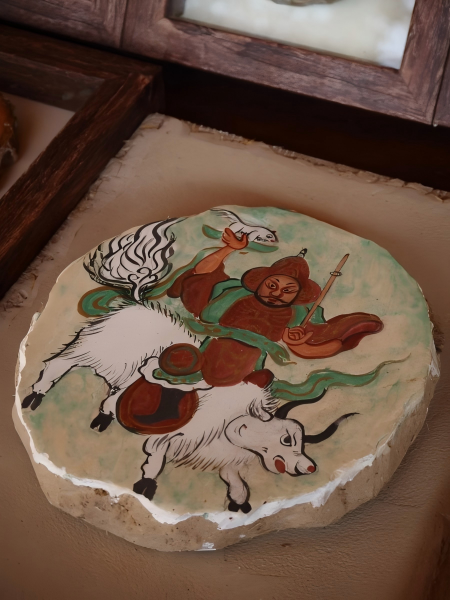
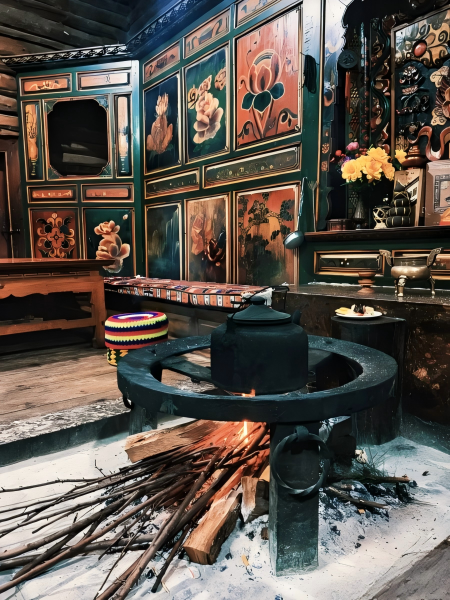
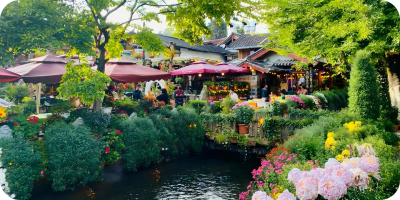 漫步在青石水巷,溪流绕过三眼井、庭院与桥下的石阶。奥色密色引导您结识纳西族匠人与社区守护者,水声自然地为您引路。您会看到院落桌上的茶、阳光下的刺绣,以及广场上回应着巷弄空间的圆舞曲,纳西古乐穿窗而入。
The route through the alleys is carefully planned: first follow the water system to observe the order of daily life, then enter courtyards to watch tea-making and embroidery demonstrations, and finally pause at the small square to listen to Naxi music. Each part of the journey aligns closely with the layout of the town, making the activities unfold naturally within the alleys and courtyards, rather than as isolated steps.
Water sounds, dance steps, needlework, and tea aromas weave together into a continuous scene. By the end of the visit, the traces you carry away—courtyard layouts, embroidery and woodworking details, and snippets of music—form naturally within the flow of participation and can be reviewed later.
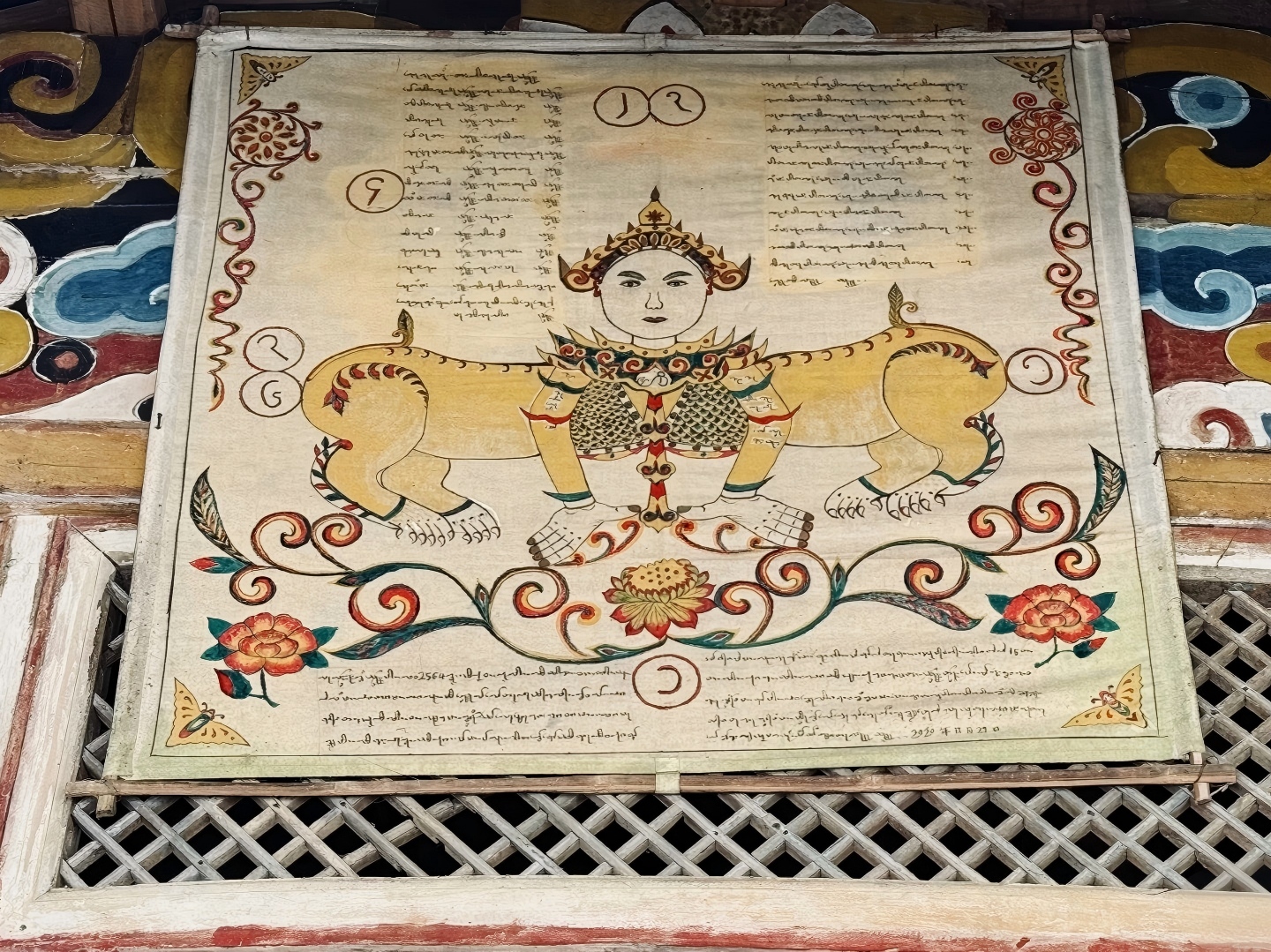
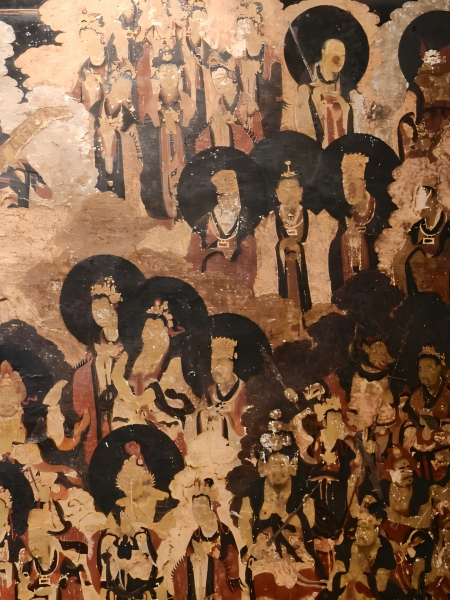
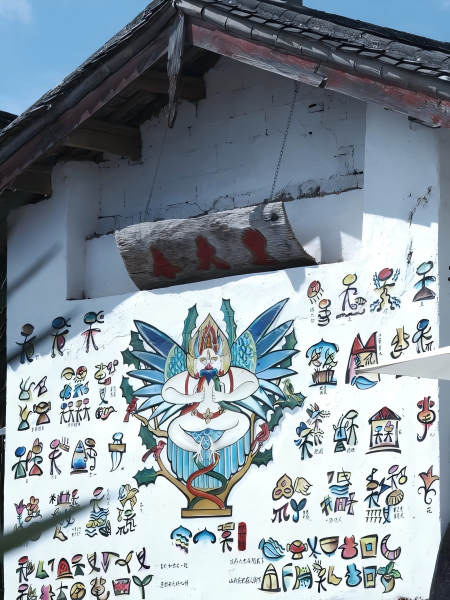
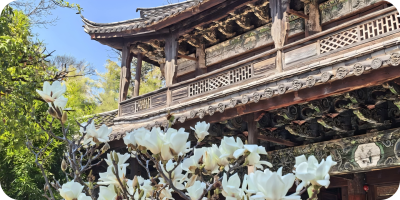 穿过幽深的巷弄,阳光洒落在壁画与作坊间。奥色密色带您拜访壁画艺人与东巴文化传承者,观察调色与勾勒的每一步。作坊内,东巴符号层层铺开,笔触、颜料与纸张构成了活动的场景,纳西古乐在背景中静静流淌。
The itinerary follows the layout of the space: first participate in Dongba symbol work in the workshop, then observe artisans at the murals, and finally watch a performance of Naxi music in the courtyard. The order of activities aligns with the cultural layout of the town, allowing observation and participation to naturally blend into the environment rather than being highlighted as separate tasks.
The mottled murals, the symbols on paper, and the rhythm of the music are captured through action, creating continuous cultural traces. The entire journey records the town’s unique patterns of life and craftsmanship through space, actions, and sound, without any additional explanation or subjective interpretation.
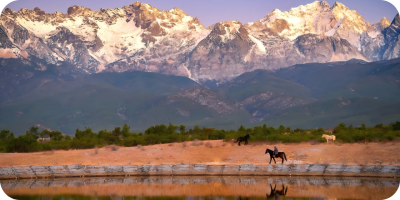 玉龙雪山最令人震撼的不是高度或坡度,而是光与雪的关系:阳光如何在脊线间反复折射,在云层与雪面上幻化出不同的光影图景。奥色密色以此为切入点为您引导,将您的视角安放在最能读懂山体物理结构的地方。
在索道站,坡面、层叠的岩石构造与冰川痕迹尽收眼底。我们的多语种文化向导会为您指点:坡面上的植被分界线如何标记了冰川的消融,雪线与岩层又如何呈现出水从天际奔涌向山谷的路径。您不只是在看山,而是在解读它的结构。
At the first viewing platform, you can see how cracks in the glacier walls and protruding ridges form tiny flows. These small streams are not demonstrations but actual geological processes. Osemise and the mountain guide have marked these spots to help you focus on essential features that are easy to miss. Every glance becomes a reading of the mountain’s structure.
As you ascend, light and shadow change rapidly. Sunlight at higher elevations is sharper, clouds may obscure or reveal the peaks. Osemise arranges brief pauses at points where light and angle highlight details such as fissures in the rock and snow, lines of flowing water under different lighting, and even how wind travels through folds in the terrain. This observation is not sightseeing—it is an immediate presentation of the mountain’s physical patterns, interacting with the environment rather than directing it.
Descending, you understand that the journey is not “checking off points.” It is about reading the mountain along three dimensions: structure, light refraction, and water paths. Osemise’s arrangement does not insert activities, but integrates viewing points into the fixed routes, exposing the structure in natural relationships and giving your observation depth and direction, rather than just “arrive and leave.”
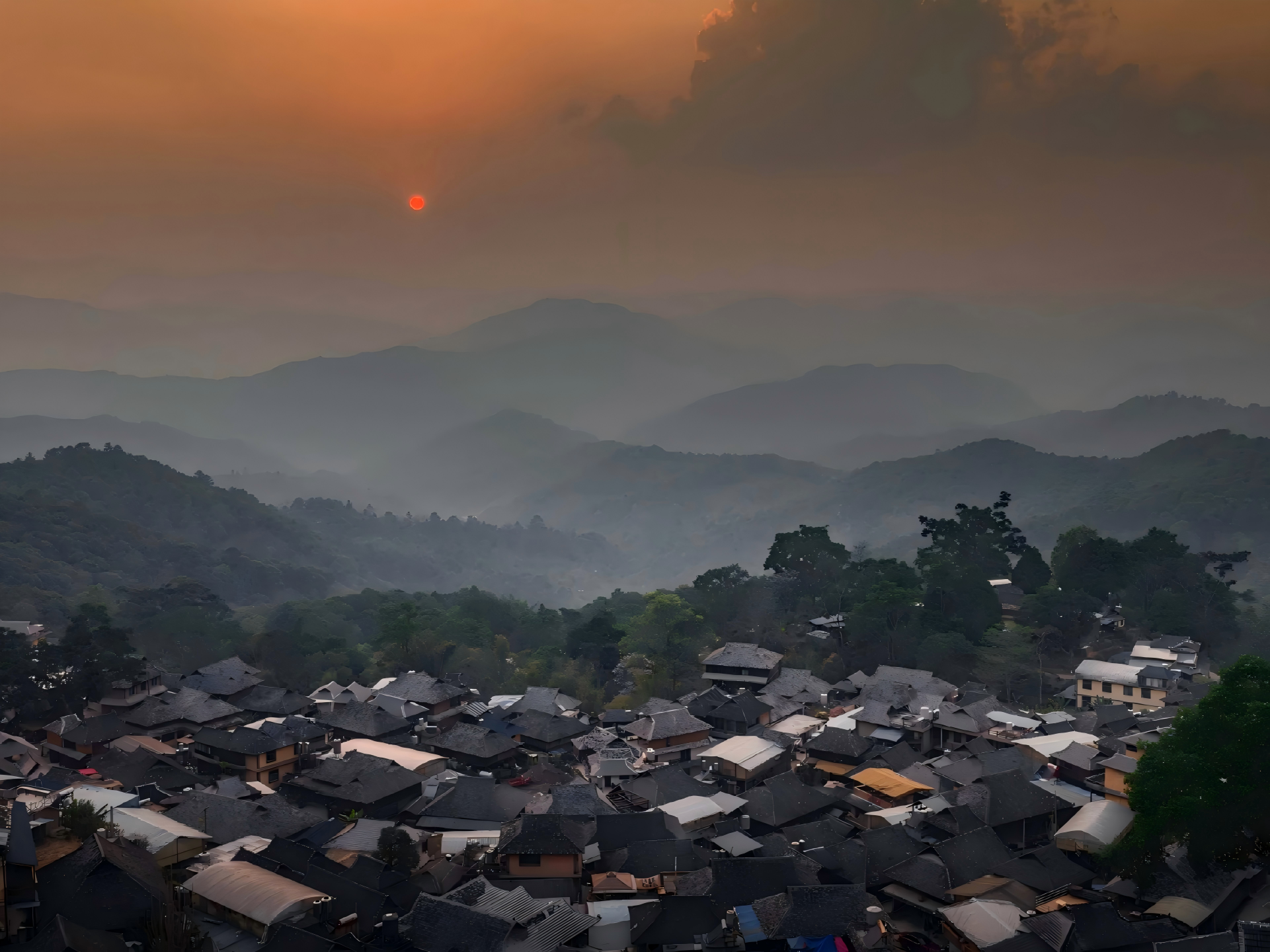
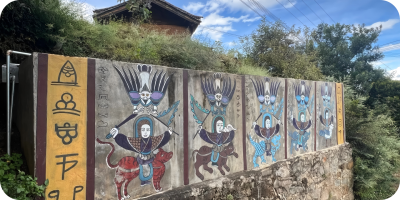 吾木村坐落在云南玉龙县的河畔坡地上,房屋依山势排布,呈现出清晰的空间与血缘格局。奥色密色将您引至村口开启游览,房屋的布局、狭窄的石径与屋脊线,瞬间展现出居住空间如何顺应地势而组织。
沿路向上,奥色密色引导您观察传统民居的构造:木梁的位置、雕花的门框、过梁上的铭刻符号,无不对应着家族血脉与祖先印记。每一栋房屋在坡面上的位置及其朝向山谷的角度,都昭示着一套空间逻辑,绝非随性而建。
As you move from one courtyard to another, Osemise’s local cultural guides help interpret the patterns you see: how family lineages are represented in building placement, how shared walls and stairways connect households, and how open spaces between homes serve collective functions. These details are observable in the physical layout of the village rather than explained abstractly.
Along the way, you’ll notice how open courtyards, roof overhangs, and stone terraces relate to sunlight, wind direction, and water runoff. Osemise points out how these environmental factors have shaped construction choices and how everyday movement — for chores, visits, and gatherings — follows lines that emerge from the terrain itself.
At a designated stop in the village center, Osemise helps organize the spatial observations you’ve gathered: diagrams of courtyard arrangements, notes on symbolic carvings, and annotated sketches of pathway connections between households. These materials are presented as reference tools that map how space, lineage markers, and daily movement intersect in Wumu Village, without guiding you toward any form of purchase or emotional interpretation.
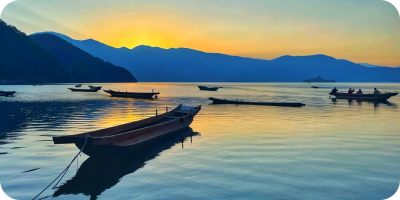 泸沽湖不仅是一个风景区——它代表着一套鲜活的社会系统。奥色密色从摩梭村落的布局开始组织探访,带您走进家宅与庭院,观察母系大家庭如何组织,以及“走婚”习俗如何在日常生活中运作。
Entering the village, Osemise and local cultural guides arrange meetings with Mosuo families. Following local customs, you move through courtyards, observing living rooms, ancestral halls, and kitchens, showing the actual positions of family members and their relationships. You can see how the mother’s household determines where each member lives, and how children and visiting relatives are arranged within daily paths—this is spatial reality, not theory.
During discussions with family members, Osemise provides simultaneous translation and cultural explanations, helping you understand the structural rules of walking marriages. These are not romantic stories but social behaviors—daily visit times between partners, choice of residence, and division of family responsibilities. These explanations are given within courtyards or near kitchen areas, not in formal lectures, letting the practices themselves show the behavioral patterns.
In the afternoon, in the village’s shared spaces, you can observe the path networks between households: firewood placement, water collection routes, children’s study areas, and spaces for small livestock. These details are part of daily life, and Osemise guides your observation to understand how these spatial arrangements operate. Observation is not a glance—it is tracing the correspondence between behavior and space to understand the social system.
At the end of the visits, naturally generated information is organized as reference materials: diagrams of courtyard layouts, walking marriage relationship charts, household path maps, and notes from the visits. These materials are not commercial products, but serve as a practical reference for understanding the Mosuo social system—not a superficial sightseeing experience.