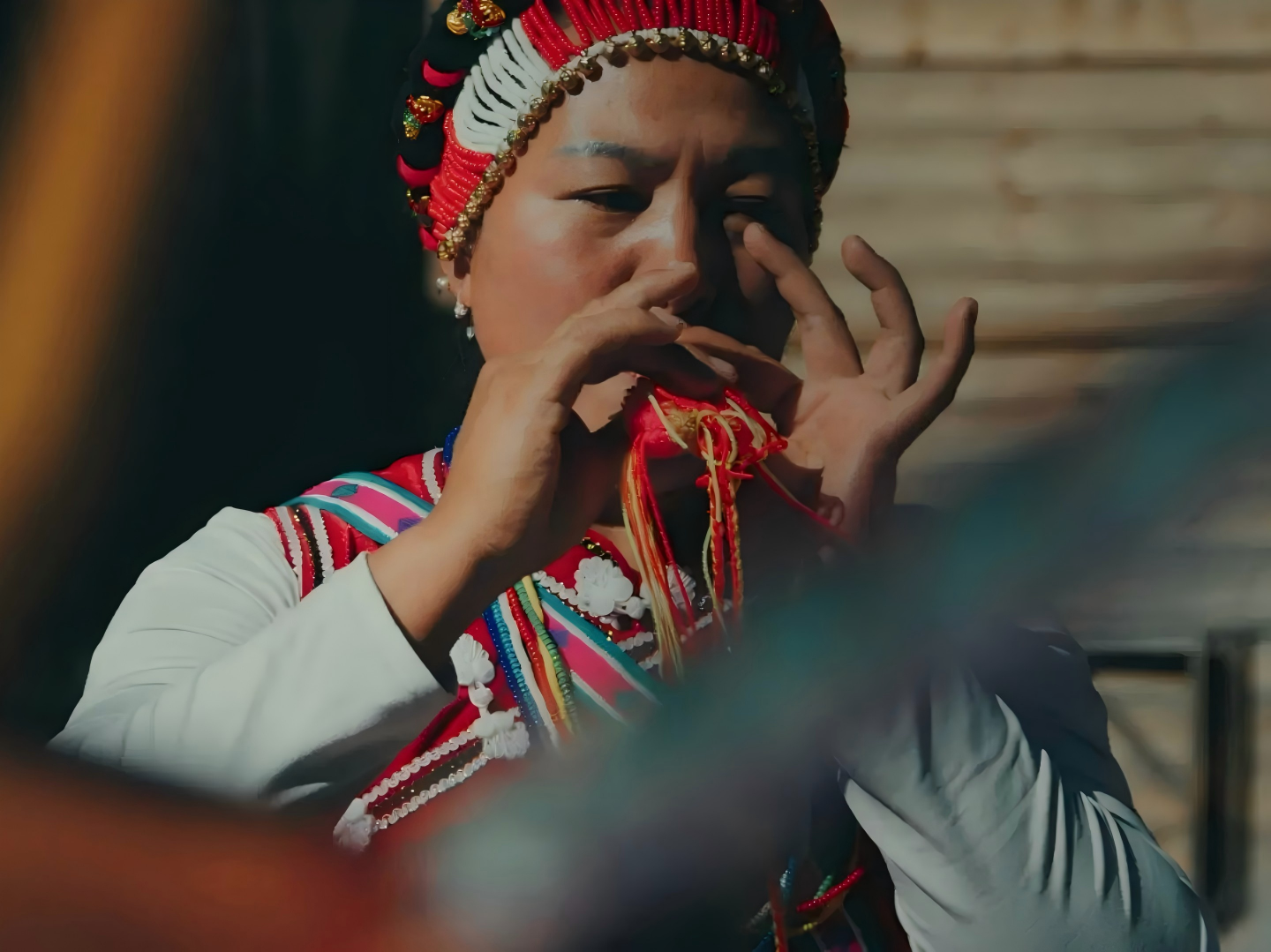
Kunming: A Slow Life Steeped in Sunlight and Spring
If traveling through Yunnan is a movable feast, Kunming is often mistaken for a hurried ticket of entry. As the starting point and central hub for all Osemise explorations, we know it is far more than a mere transit stop; it is the ultimate culmination of the culture and terroir across this miraculous land. The rainforest heat of Xishuangbanna, the mountain breezes of Dali, and the rich earth of Honghe all quietly converge in its streets and on its dining tables.
To Osemise, Kunming is an essay that must be read sitting down, bathed in the sun. There is no high-altitude chill here, only a gentle warmth perfectly calibrated by the Tropic of Cancer. Kunming’s charm does not lie in its manicured parks, but in the stubborn fresh green sprouting from the crevices of bluestone slabs, in the rich breath of roses and lilies mingling at local market stalls, and in the pure, cloisonné-like azure of Dianchi Lake seen from the peaks of the Western Hills. The people here are never in a rush, because we know that spring is an eternal backdrop, and that living life well is the only thing that truly matters.
Meet Kunming
Where it is:
Kunming is the capital of Yunnan Province, China, located in the central part of the province. It’s known as the “City of Eternal Spring” for its mild climate and abundant greenery, with scenic parks, lakes, and surrounding hills giving it a relaxed urban vibe.
Altitude:
The city sits at about 1,892 meters above sea level, creating a comfortable highland climate that’s pleasant year-round.
Weather:
Mild and spring-like for most of the year. Spring and autumn temperatures range from 15–25°C, summer 20–28°C, and winter 5–15°C. Rain mainly falls between June and August, while the rest of the year is relatively dry with plenty of sunshine.
People & Language:
Kunming has a population of over 6 million, including Han, Yi, Bai, and other ethnic communities. Mandarin is widely spoken, and many ethnic traditions continue to shape local culture and festivals.
Getting Around:
Kunming Changshui International Airport connects the city to major domestic and international destinations. Public transportation includes buses, metro lines, and taxis, making it easy to explore the city and nearby attractions.
Tips for Your Visit:
Best time: March–November, when the weather is mild and pleasant. Take time to enjoy city parks, lakes, local markets, and sample Yunnan’s diverse cuisine. Respect local customs and enjoy the vibrant yet relaxed pace of the city.
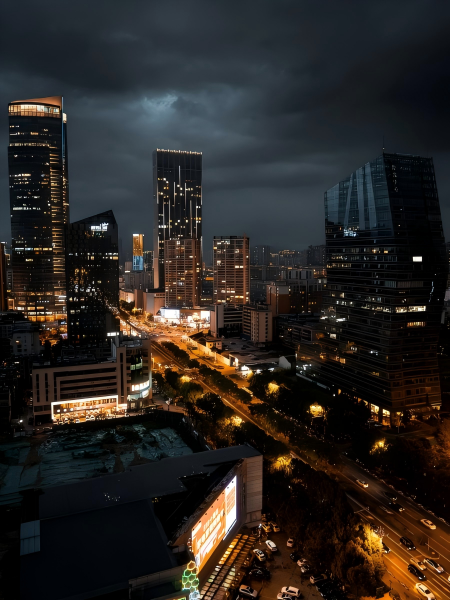
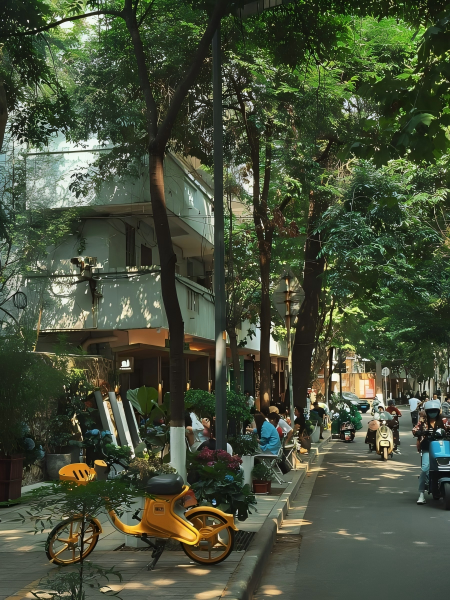
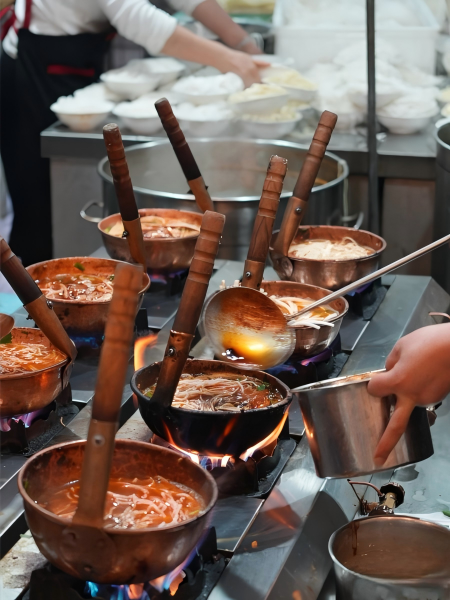
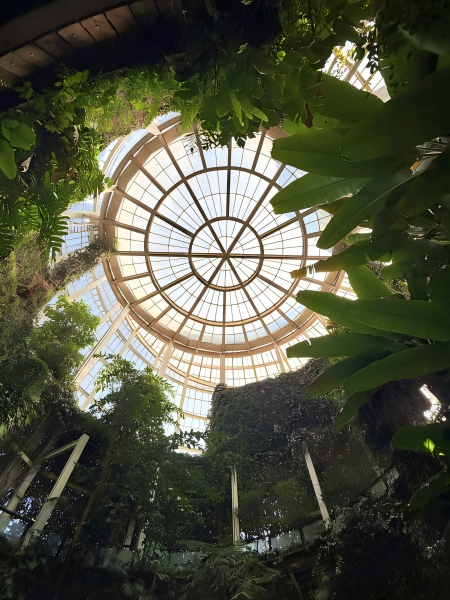
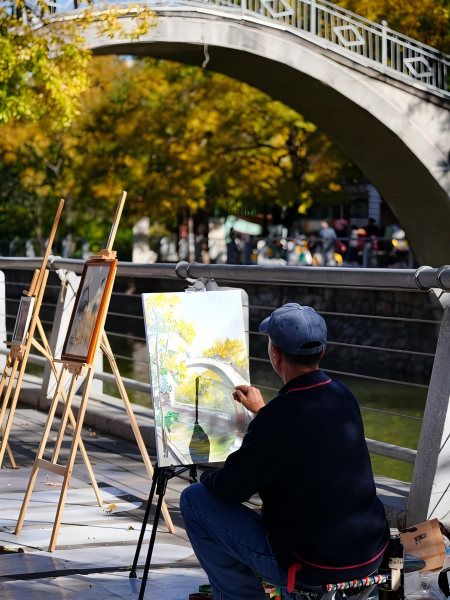
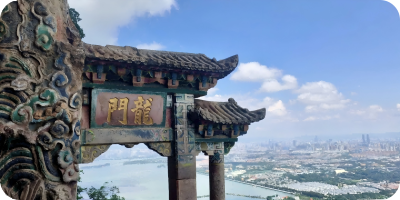 In the bones of every Kunming local lies the coordinate of the Western Hills. Like a reclining “Sleeping Beauty,” it quietly guards this basin with its soft silhouette.
To climb the Western Hills is not to conquer an altitude, but to enter an epic of stone. At the Dragon Gate Grottoes, you will marvel at how the ancients, with nothing but hammers and chisels, carved a dream reaching into the clouds along a vertical cliff.
When you rest your palm on stone railings polished smooth by time, looking down at the vast Dianchi Lake spreading out like thousands of shimmering, shattered diamonds, the noise of the modern city is instantly swallowed by the boundless mist. Here, the wind feels ancient, the shadows of the clouds are faint, and the vigorous pines rooted in rock crevices have witnessed countless tides rise and fall.
It is a dialogue between height and breadth, a gentle reminder: in the face of these mountains, all our worldly busyness seems profoundly small.
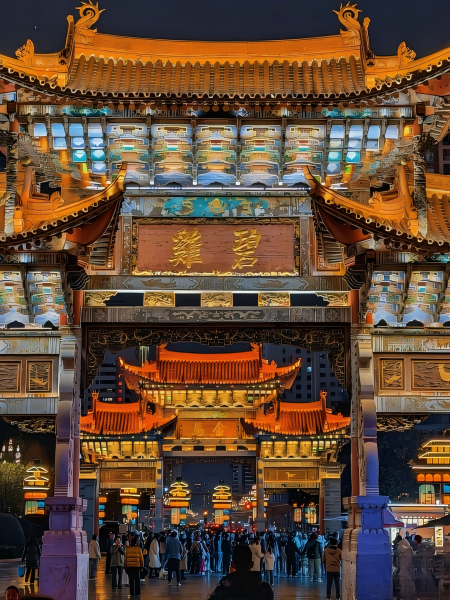
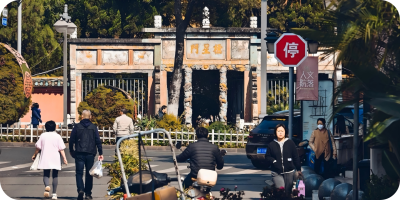 From Jingxing Street to Wenming Street lies Kunming’s last remaining “fold in time.” Here, bright yellow French-style villas stand shoulder-to-shoulder with the carved wooden eaves of traditional Chinese “Seal-like” courtyard homes. Rusting iron window grilles and peeling vermilion doors whisper tales of the past. The vibrant hustle of the Jingxing Bird and Flower Market is Kunming’s most vivid undertone. Amidst the crisp chirping of thrushes and the subtle fragrance of orchids, you can rediscover that long-lost, unhurried leisure belonging to the old city.
This is no enclosed museum; it is a living, breathing labyrinth. Buy a freshly steamed Posubao (flaky bun) oozing with the rich aroma of sweet sauce and lard, and duck into the narrow, bluestone alleys untouched by the main street’s glow. Watch the sunlight filter through ancient banyan trees, dancing in dappled patches across century-old roof tiles. Here, history is not text buried in dusty tomes; it is the wild grass growing between bricks, and the warm, drawn-out syllables of the local dialect spoken by the old neighbors.
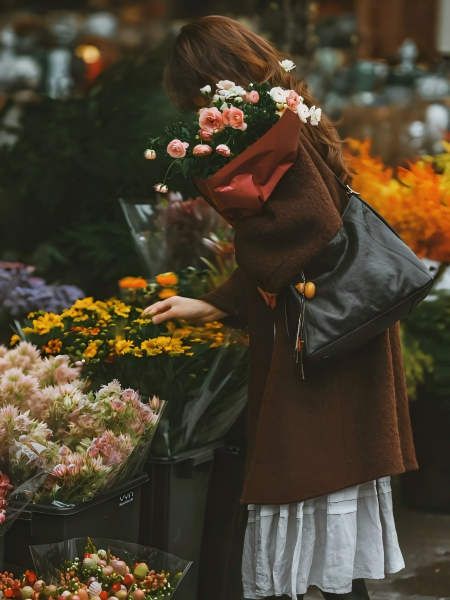
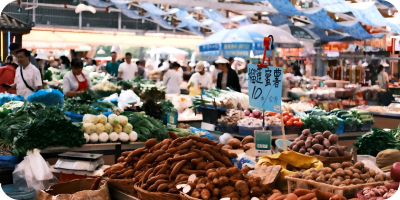 To Osemise, if there is only one place to truly understand the vitality of Yunnan, it must be Zhuanxin. It is far more than a market; it is a microcosm of this miraculous land. There is no unified air conditioning or sterile packaging here, only the most primal sensory impact. Wild mushrooms freshly dug from the earth still carry the damp scent of pine needles and rain; countless unnamed herbs and wild vegetables are blindingly green and dripping with water; fresh flowers heavy with dew are sold by the kilo, as if they were born to grace everyday dining tables.
In these narrow aisles, you will meet vendors with sun-kissed skin and genuine smiles, and listen to the forest logic behind each ingredient. This is a feverish symphony of colors, scents, and tastes. In the golden roasted tofu sizzling over charcoal, and in the steaming, freshly mixed Douhua Mixian (bean curd rice noodles) coated in chili oil and chopped chives, what you taste is the absolute fullness of life, deeply nourished by sun and dew. Zhuanxin teaches us: the best kind of travel is to live like a local, carrying a day’s worth of vitality home in a basket of vibrant, earthy bounty.
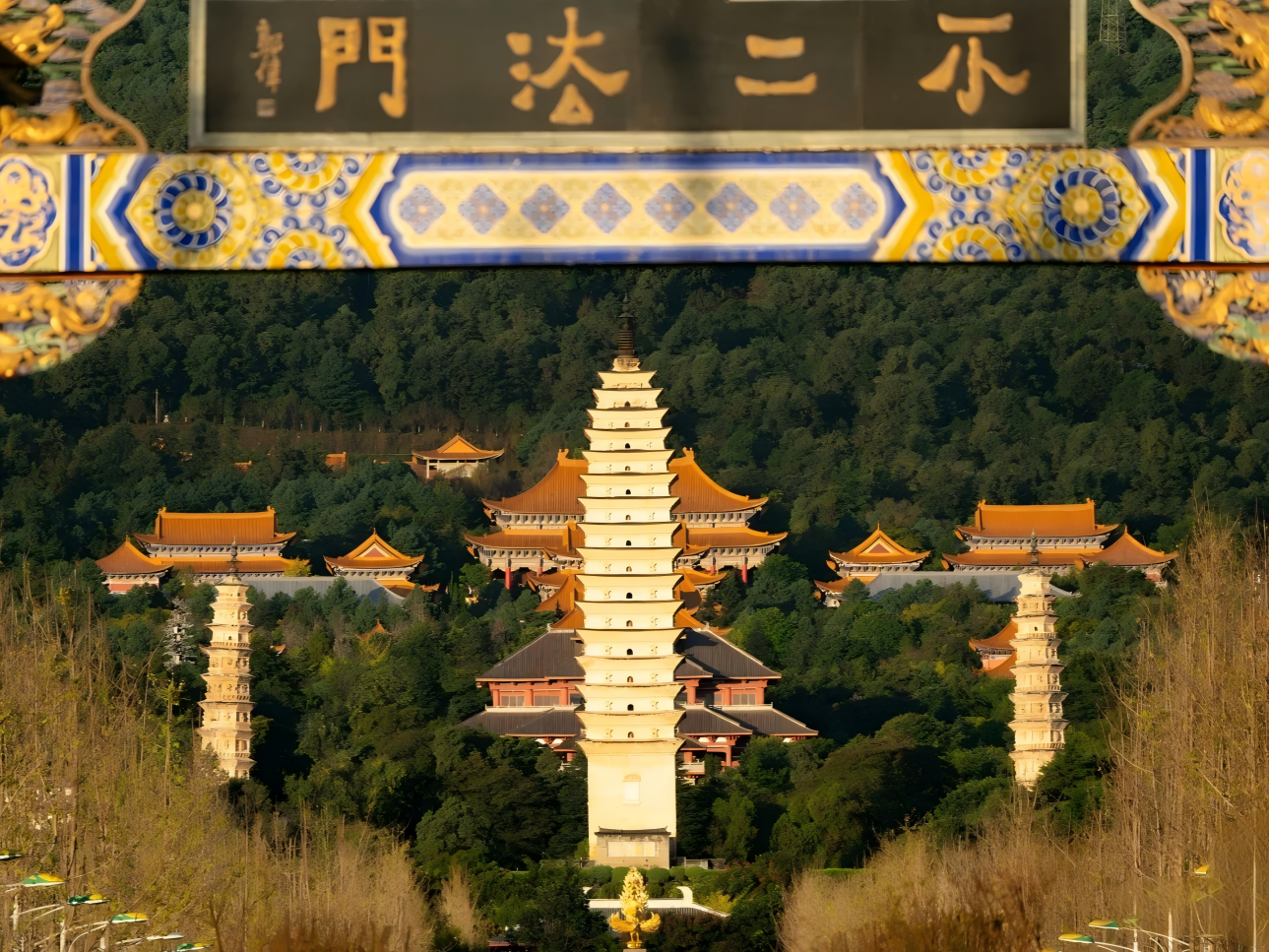
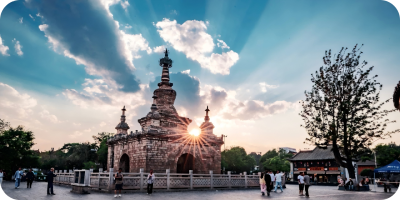 Stepping away from the clamor, Guandu Ancient Town preserves the most authentic essence of old Kunming. As a cradle of Dianchi culture, time seems to flow slower here.
Walk past the weathered Vajra Pagoda of Miaozhan Temple, with millennium-old bluestone paths beneath your feet. You can find a time-honored stall for a freshly baked Guandu Baba, listen to the faint melodies of local Huadeng opera drifting down the street, and immerse yourself in the warm, bustling everyday life.
Guandu doesn’t strive for polished tourist perfection; it quietly guards its ancient crafts and old courtyards, maintaining the unhurried, everyday warmth of old Kunming through the shifting years.
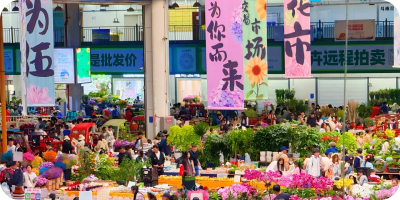 Half of Kunming’s romance belongs to Dounan. As Asia’s largest fresh-cut flower market, it is the living proof of the “City of Eternal Spring.”
In the early hours, Dounan transforms into an ocean immersed in floral fragrance. Bundles of roses, lilies, and eustomas are piled high like daily greens, while local farmers and buyers from afar weave through the sea of colors.
Here, buying flowers is not a luxury ritual, but a grounded, everyday joy. Walking down the street with a full embrace of fresh blooms, you truly feel the vibrant, abundant soul of this city.
 As the ancient Tethys Sea receded 300 million years ago, the Eastern Yunnan Plateau began a creation ritual that continues to this day. Rainwater, the most patient of sculptors, spent eons etching hundreds of meters of limestone into a vast forest of stone. This is Shilin (the Stone Forest)—a masterpiece written by the Earth with its slowest brushstrokes.
UNESCO’s commendation captures its dual wonder: it is both “the world’s most spectacular karst landscape” and the eternal embodiment of the Sani people’s epic, Ashima. Here, the cold chronology of geological time and the burning passion of human legend collide among the jagged peaks, striking a spark of civilization unlike any other in the world.