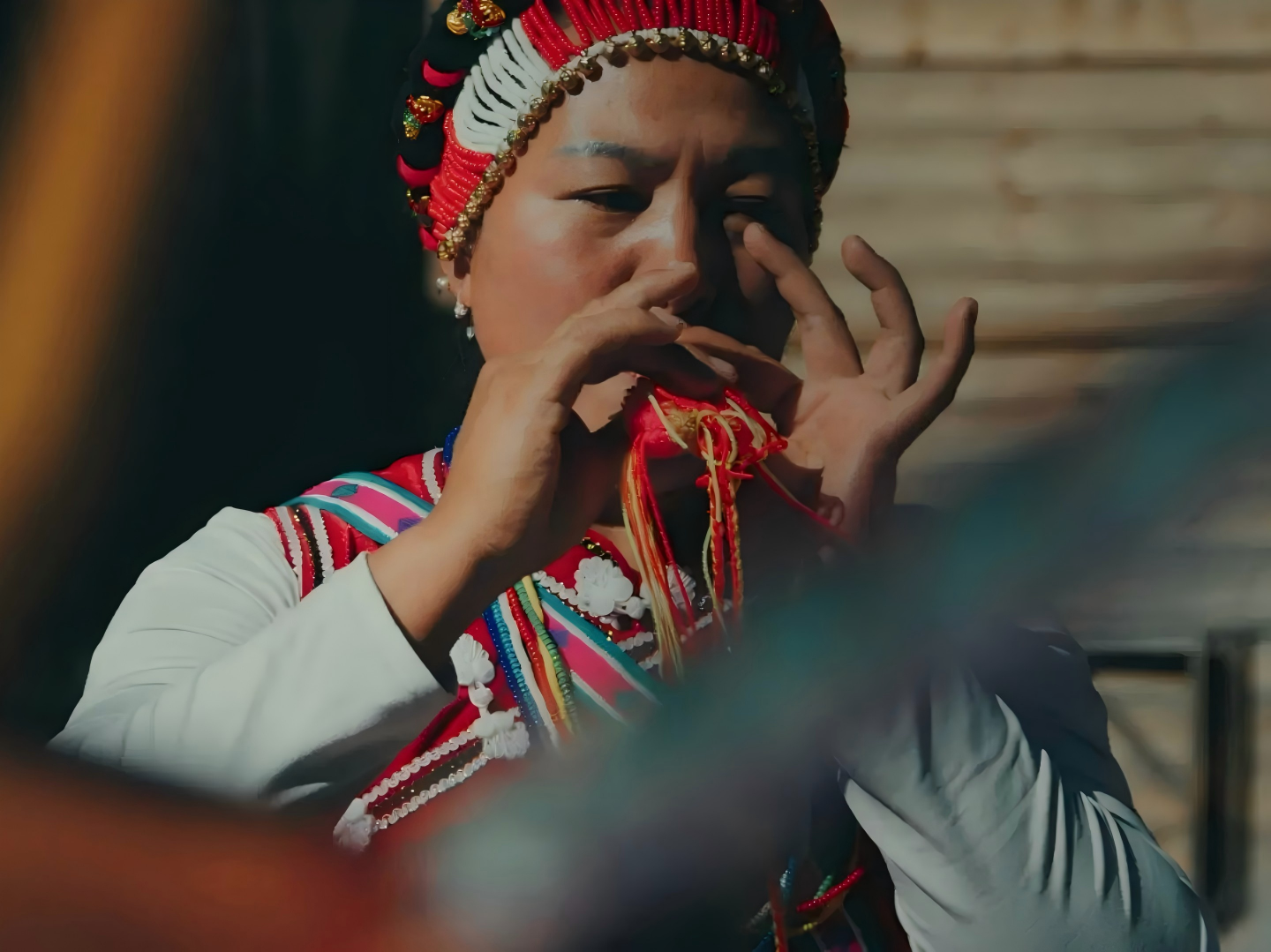
Lincang: Where Time is Measured Only by the Ripening of Fruit
While Dali and Lijiang embrace the world with the poise of a postcard, Lincang remains a private journal, hidden deep within the mountains.
As a station of raw power and mellow textures within the Osemise “Beyond the Guidebook” map, Lincang refuses any over-processed filters. Here, there is only the most sincere sunlight and earth. The Tropic of Cancer passes through, fermenting the local bounty until it is rich and full-bodied.
In this realm, time has lost the cold, clinical rhythm of modern society. It is measured only by the reddening of a coffee cherry or the slow unfurling of a Pu’er tea leaf. We invite you to step here for a complete “unplugging”—to catch the scent of caramel in the mountain breeze, to touch the rugged bark of century-old tea trees, and under the absolute sanctuary of sunlight and ancient forests, to rediscover a long-lost, grounded vitality.
Meet Lincang
Where it is:
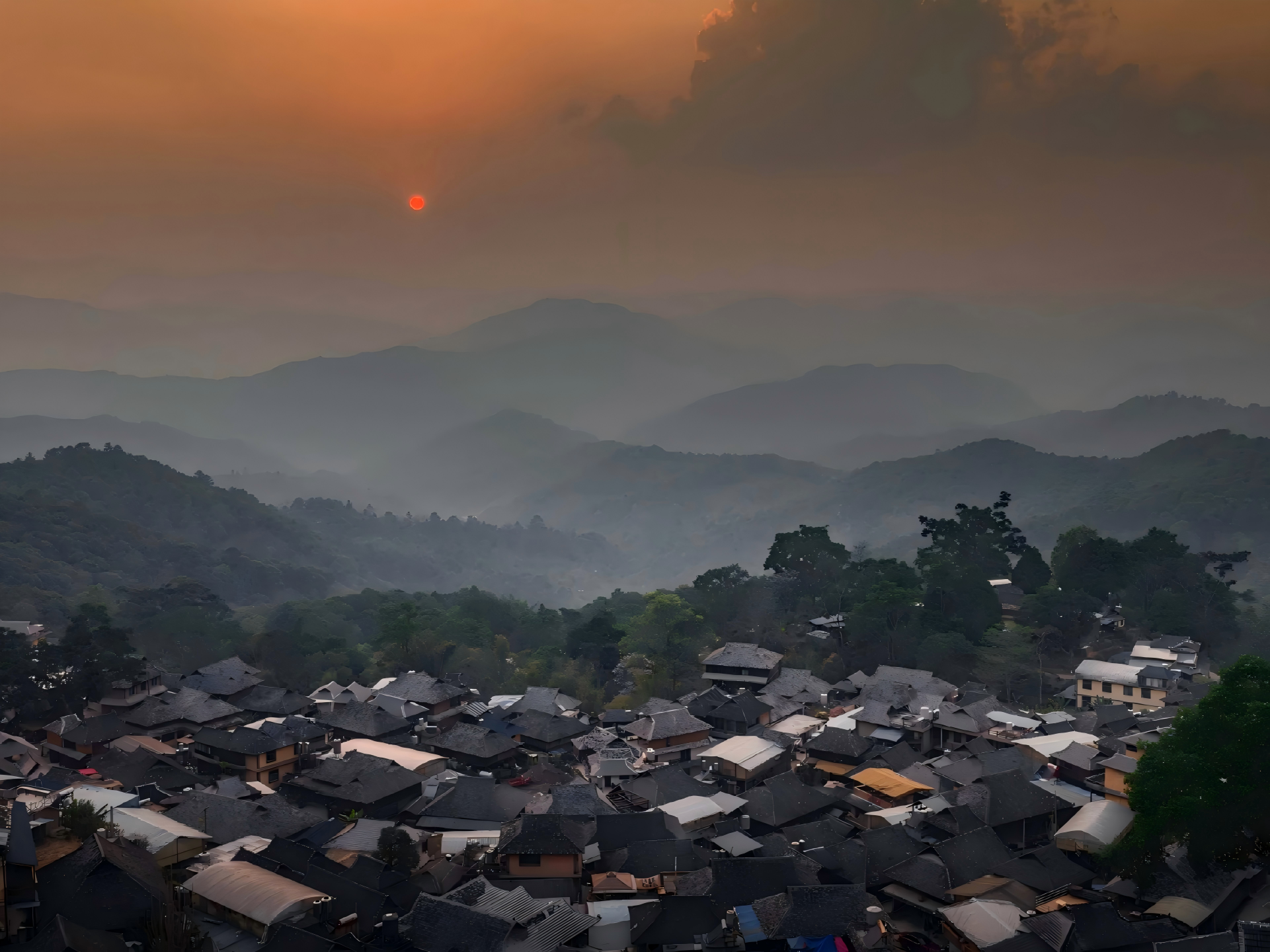
Lincang is located in southwestern Yunnan, China, bordering Myanmar to the west. The region is known for its lush mountains, rivers, tea plantations, and ethnic diversity, offering a scenic and culturally rich experience.
Altitude:
Most of the city and surrounding areas lie between 600–2,000 meters above sea level, giving it a subtropical highland climate.
Weather:
Mild and comfortable for most of the year. Spring and autumn temperatures range from 15–25°C, summer 22–30°C, and winter 10–20°C. The rainy season lasts from June to September, while the rest of the year is relatively dry and sunny.
People & Language:
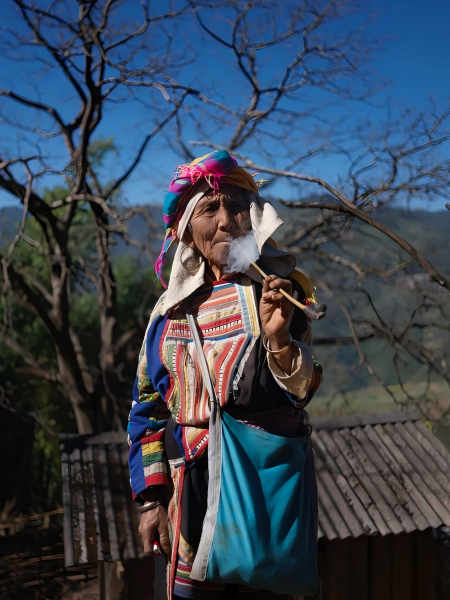
Population is roughly 1 million, including Han, Dai, Lahu, Wa, and other ethnic groups. Mandarin is widely spoken, while local ethnic languages and traditions remain strong in daily life and cultural festivals.
Getting Around:
Lincang Airport connects the city to Kunming and other major regional hubs. Local buses, taxis, and private cars make it easy to explore tea plantations, rivers, and ethnic villages.
Tips for Your Visit:
Best time: November–April, when the weather is drier and cooler. Take your time to enjoy scenic landscapes, ethnic villages, and tea culture. Respect local customs and the natural environment to fully appreciate the region’s unique character.
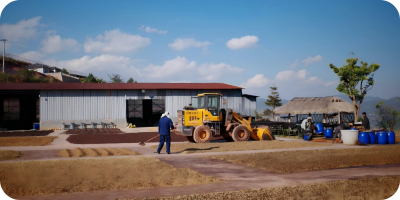 Cast aside the monotonous, assembly-line flavors found in city cafes. Deep in the ridges of Lincang, we take you back to the very “zero point” of a cup of coffee.
Following the bronze-skinned farmers whose hands are etched by the sun, you will step into groves glistening with morning dew to hand-pick those ruby-red cherries.
On the vast drying beds, watch thousands of fruits being carefully turned under the warm sun. The air fills with the subtle acidity of fermentation and an enchanting fruit aroma. This is a ritual free from mechanical interference; here, the sun itself takes charge of the “roasting,” and the mountains provide the soul.
As you sit before the distant peaks, sipping a cup you’ve hand-brewed from freshly roasted beans, you taste more than just notes of nuts and chocolate. You taste those rough yet gentle hands and the true, living breath of the Lincang earth.
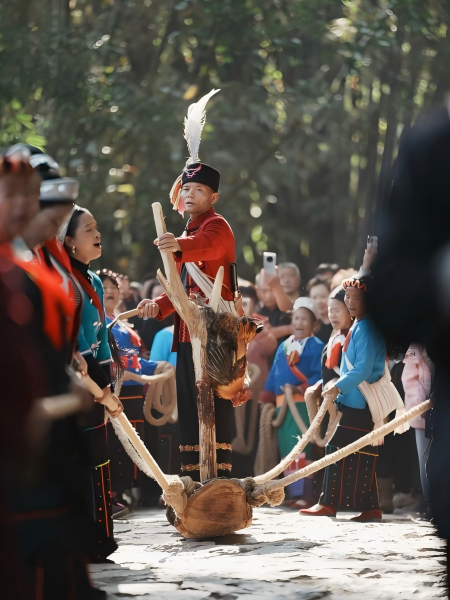
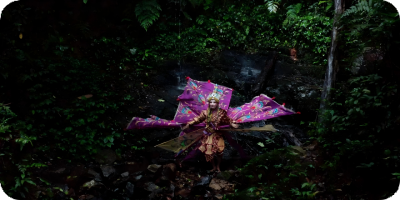 Turn your gaze away from the neon lights of commercial theaters. In the Dai villages of Lincang, we will bring you to see a dance performed truly for the gods and the earth.
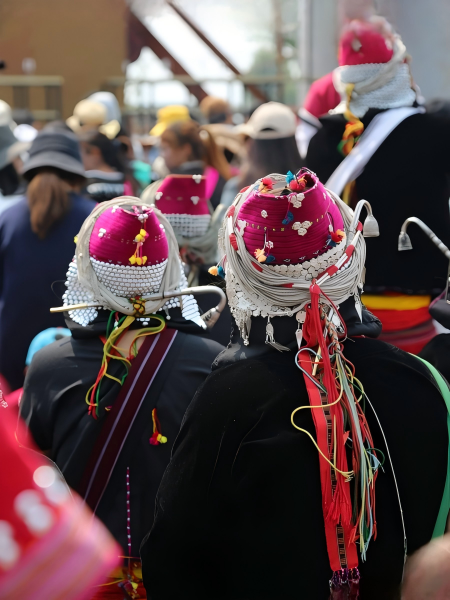
As the afternoon sun slants through the gaps in the Bodhi trees, the rhythmic, heavy thuds of the Elephant-foot drums begin to resonate across the village clearing. Dancers clad in magnificent ritual attire transform into the mythical “Kinnara”—half-human, half-bird celestial beings—whirling barefoot upon the dust.
There are no piercing spotlights, only the fine dust kicked up by the dancers, tumbling like forest spirits in the golden shafts of light. There is no industrial soundtrack, only the heavy silver ornaments clashing with every breath and movement to create the crisp “Baiyin” chime.
In this rhythm—delicate yet imbued with ancient power—what you witness is never a price-tagged show. It is the most devout dialogue between man and all living creatures. At this moment, faith is not a distant statue; it is every footstep on the soil, carrying sweat and the warmth of life.
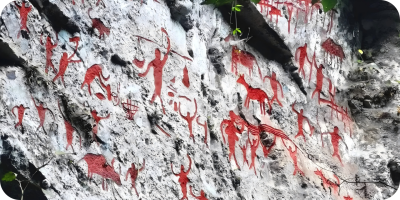 If written words are the restrained footnotes of civilization, then the Cangyuan Rock Paintings are the first feverish shout from the childhood of humanity.
Accompanied by an Osemise guide, we steer clear of cold museums isolated by glass. We venture deep into the mist-shrouded mountains of Cangyuan. As you stand breathless before a massive, rugged grey-blue precipice, totems painted over 3,000 years ago with hematite and animal blood will strike your eyes without warning.
Hunters with bows, dancers celebrating around fires, and tribal chiefs herding cattle remain vivid on the mottled rock, as if they might leap from the cliff with a single gust of wind.
Standing here, eyes closed, you can almost sense the heavy breathing and the heat of the torches from those ancestors nearly four millennia ago. These are not static relics; they are the indomitable imprints in the veins of the earth. Tracing those wild lines through the air, you will feel a resonance across thousands of years—realizing that on this land, the thirst to live passionately and vibrantly has never changed.
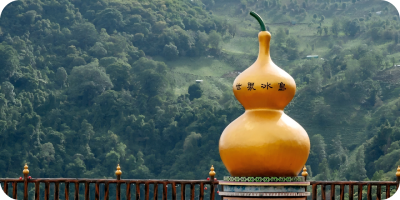 Every true tea connoisseur carries a mental map leading to the roots of the Mengku Snow Mountains.
To Osemise, entering Bingdao Village is never about an expensive “check-in” for consumption. It is a profound dialogue with plants from centuries ago. You will wander through ancient tea forests that blot out the sky, with thick fallen leaves beneath your feet and the rustle of wind through the branches in your ears.
Step into the courtyard of a local Blang family and sit by the firepit. Watch as boiling water reawakens the compressed leaves in the porcelain bowl.
That unique, “rock sugar” sweetness—pure and lingering—melts on the tongue and flows down the throat, refusing to dissipate. This is a “Hui Gan” (returning sweetness) that requires patience. it quietly tells you: in this frantic age, the best things are always those that grow slowly.
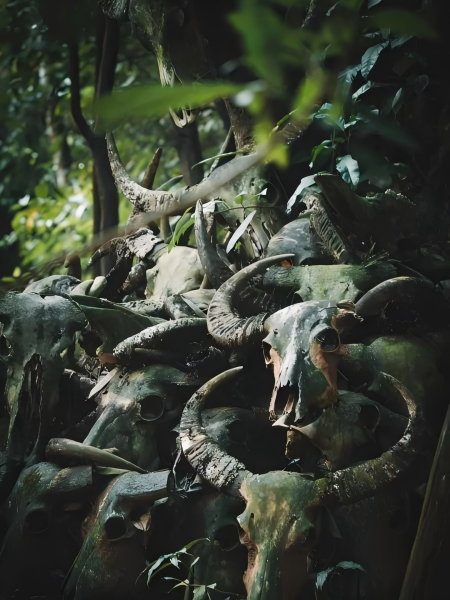
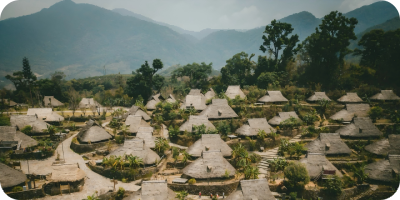 The other side of Lincang is wild and strikes directly at the soul. Stepping into the Awa Mountains, you will find even the wind carries a raw, untamed force.
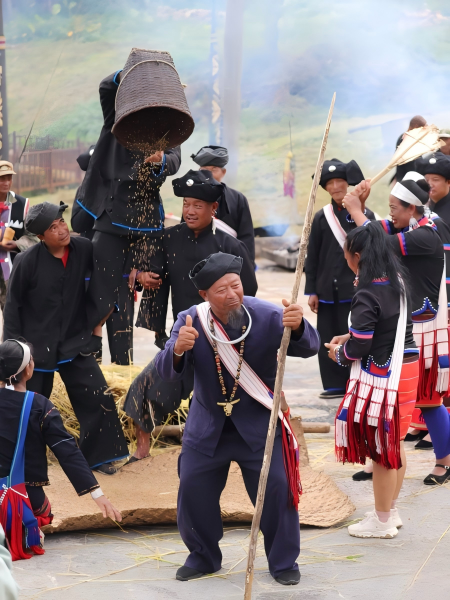
We do not take you to see choreographed stage performances. Instead, we enter authentic Wa villages. Beneath thatched eaves and beside firepits where the sacred flames never die, share a bowl of home-brewed grain wine with the locals, rich with the coarse fragrance of the harvest.
When the low, powerful thrum of the wooden drums echoes through the canyons, and the sun-darkened Wa men toss their long hair amidst the sparks of the bonfire, you will feel a profound tremor.
This is an unadorned life force erupting directly from the soil. Here, the barriers of civilization are burned away by fire and drumbeat. You are no longer a spectator; you become a “native” of this land, standing in awe of nature.