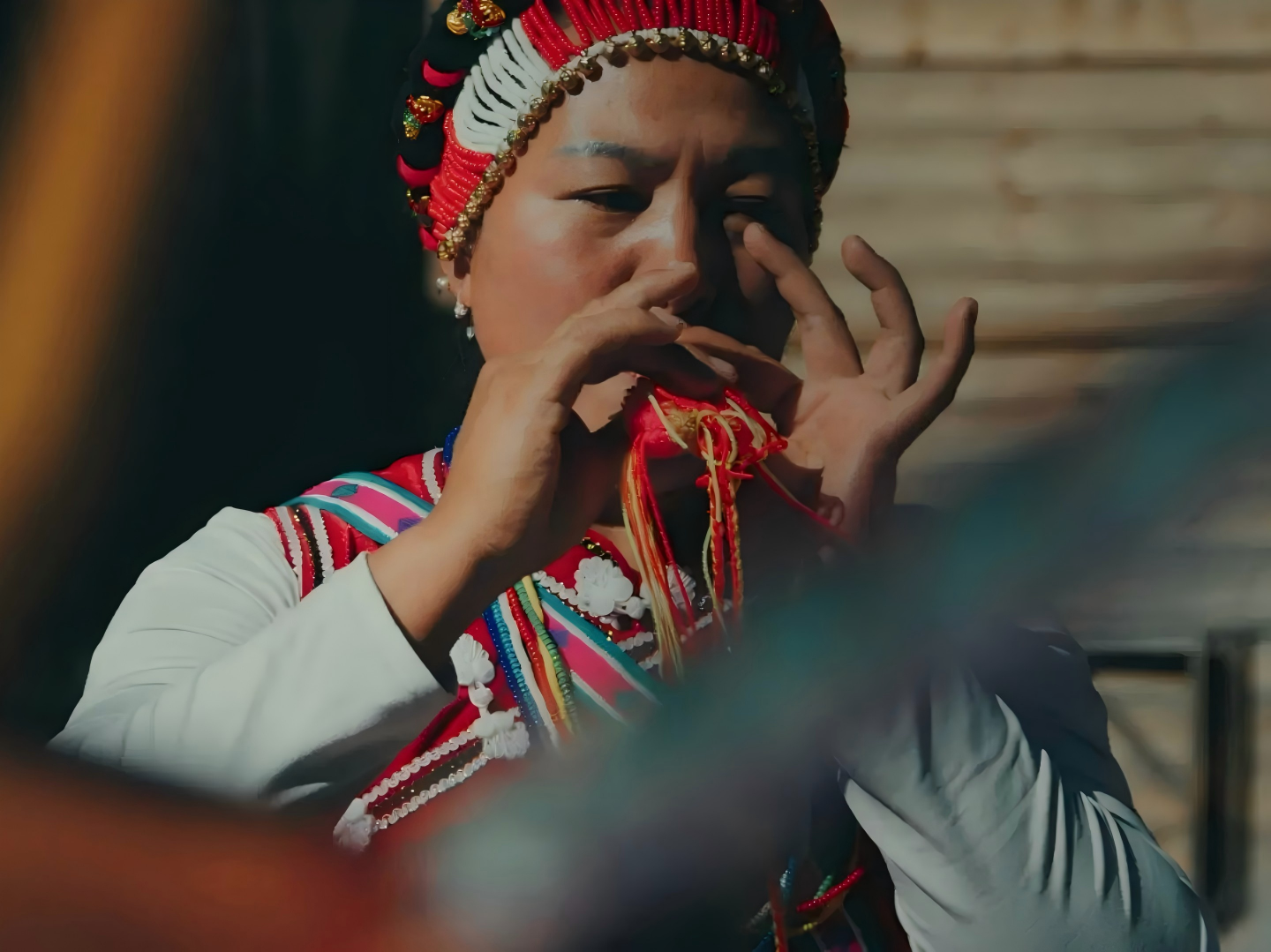
Dali: Where Lake Meets Sky
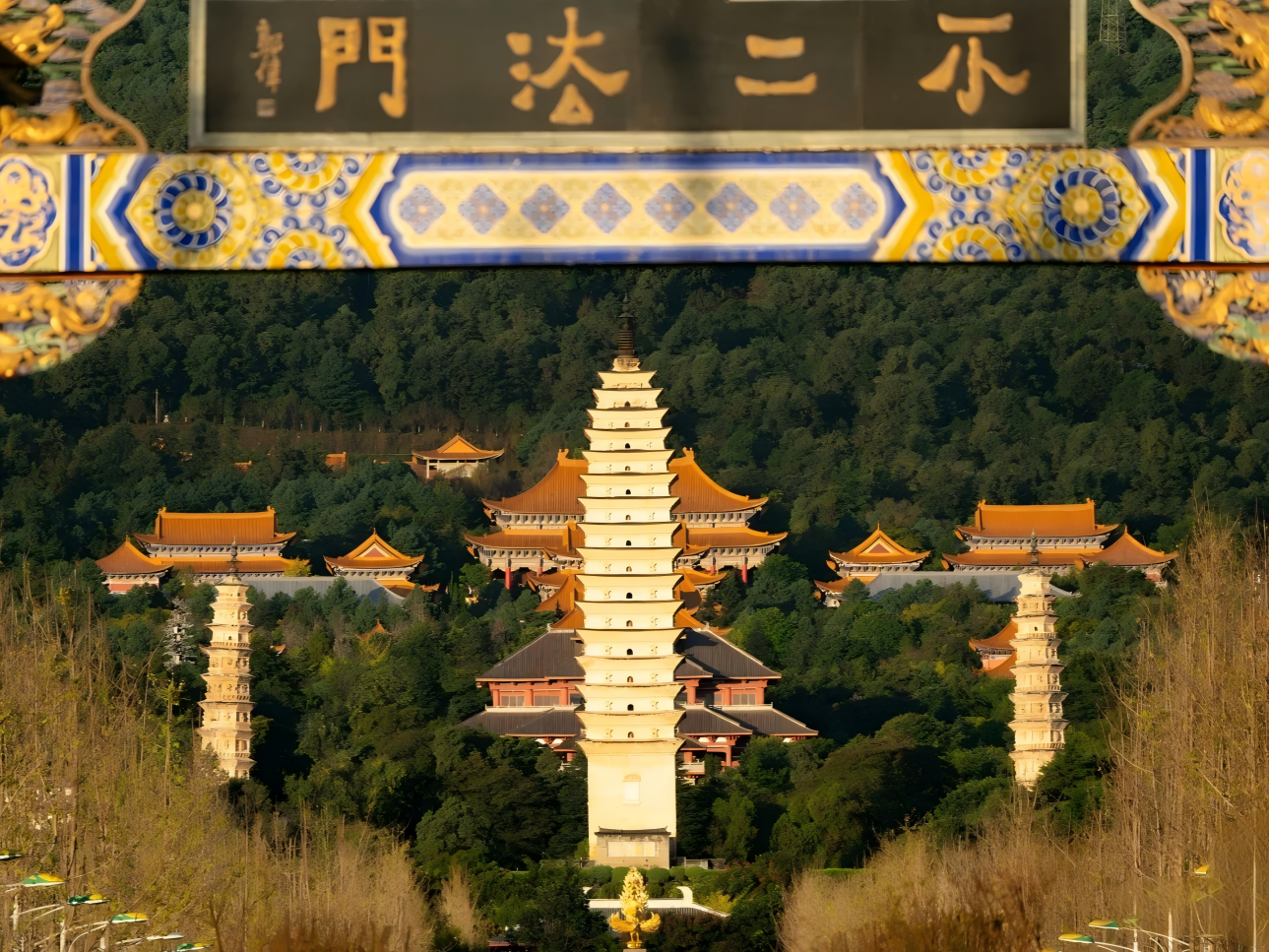
Dali, embraced by Erhai Lake and framed by the Cangshan Mountains, reveals the most leisurely rhythm of life in Yunnan. White villages are scattered across its landscape, and every stone-paved alley preserves centuries of charm.
Whether walking along the lakeshore in the breeze or wandering through the shops of the ancient town, you can feel the natural blend of history and modern life.
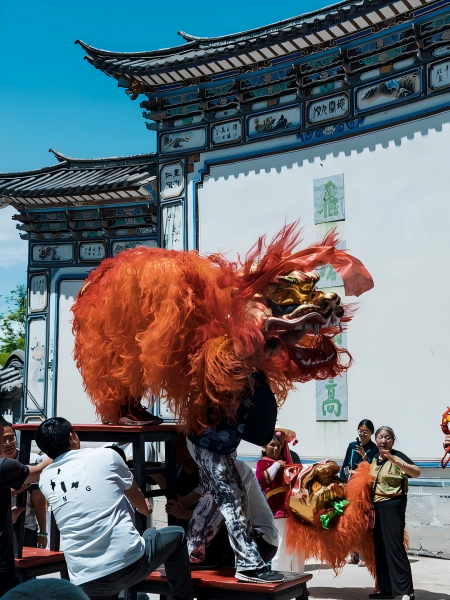
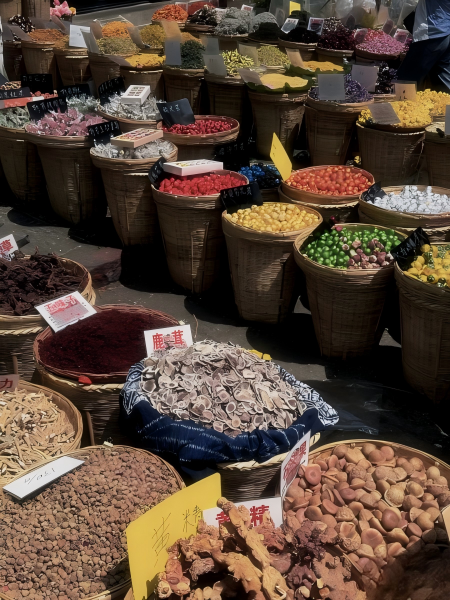
Dali’s culture is not only reflected in its architecture and crafts but flows through the daily lives of its people—from the soft chatter in teahouses to the lively calls at local markets, every moment carries the genuine warmth of life.
We invite you to step into this land that is both serene and vibrant, transforming your journey into an experience that can be felt, shared, and remembered.
Meet Dali
Where it is:
Dali sits in western Yunnan, China, roughly 160 km south of Lijiang. The city is framed by the Cangshan Mountains to the west and the serene Erhai Lake to the east, creating a perfect mix of mountains and water.
Altitude:
The old town is around 1,970 meters above sea level, with Cangshan peaks reaching over 4,000 meters. The elevation gives Dali a comfortable highland climate.
Weather:
Mild throughout the year. Spring and autumn bring 12–22°C, summers are warm at 18–28°C, and winters are cool, 5–15°C. Rain mostly falls in June–August, while the rest of the year stays relatively dry, with plenty of sunshine.
People & Language:
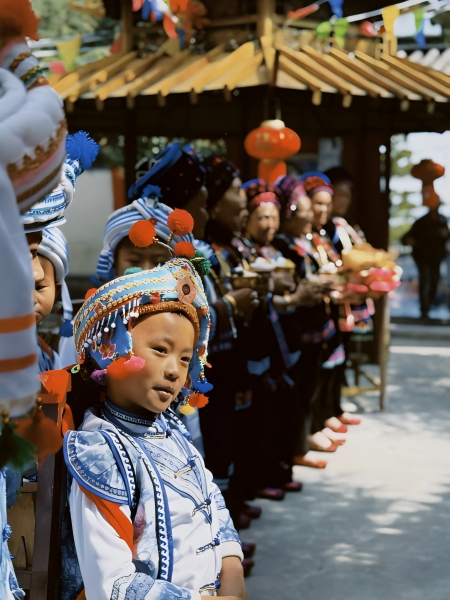
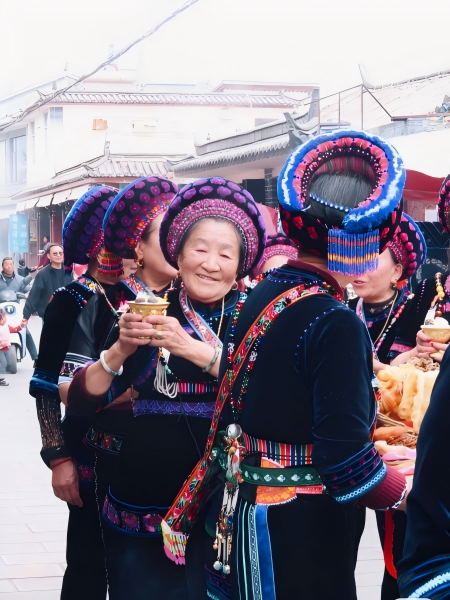
About 1 million people live in Dali, including Bai, Han, Yi, and other ethnic groups. Mandarin is common, and the Bai language remains strong in daily life and local traditions.
Getting Around:
The Dali Airport is near the city, and trains connect Dali with Kunming and Lijiang. Local buses, bikes, and highways make exploring the old town, Erhai Lake, and surrounding villages easy.
Tips for Your Visit:
Best time: March–November. Take your time to enjoy lakeside walks, mountain trails, and Bai culture. Respect local customs and the natural environment, and let yourself soak in Dali’s relaxed, scenic vibe.

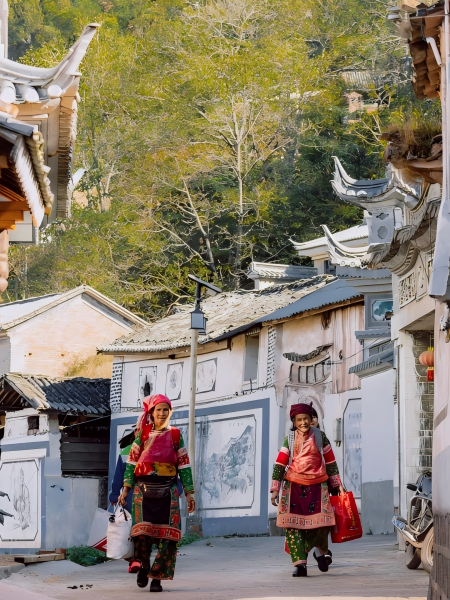
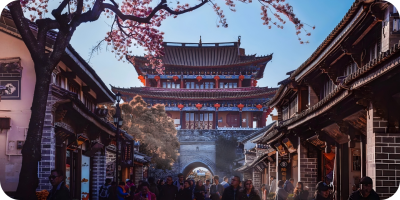 Dali Ancient Town is laid out in precise squares, yet the life within it flows in circles, lingering and returning to its heart. The day for the Bai people begins with the rising steam of a Rushan (cheese) workshop. As milk simmers in the pot, a craftsman uses two bamboo sticks to deftly lift and twist the golden layers of milk skin until they drape over the poles like silk. Some are sweetened with rose sugar; others are lightly salted. Buying a piece to eat as you wander—crispy, with a lingering fragrance of fresh milk—this is the “fast food” of Dali from centuries ago: simple, honest, and deeply satisfying.
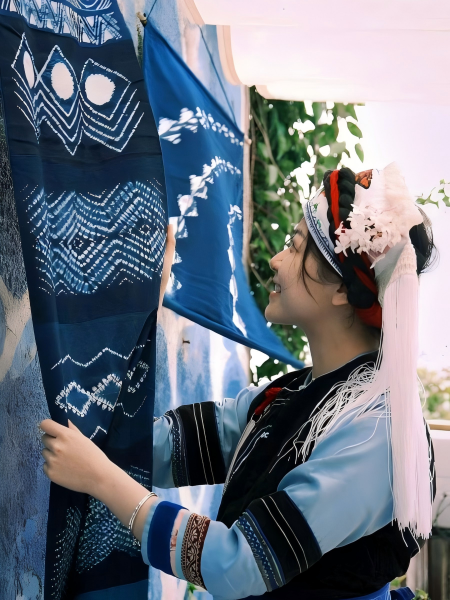
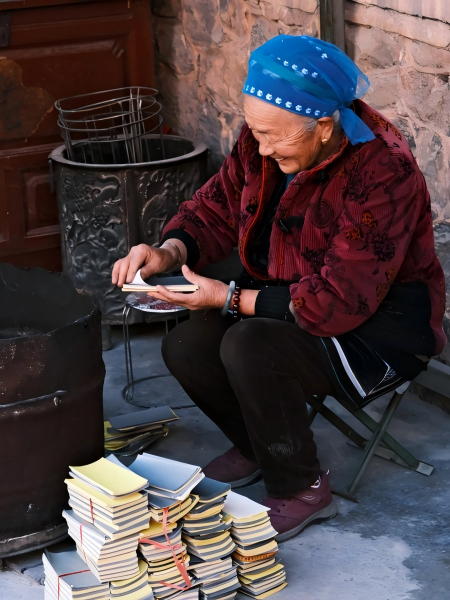
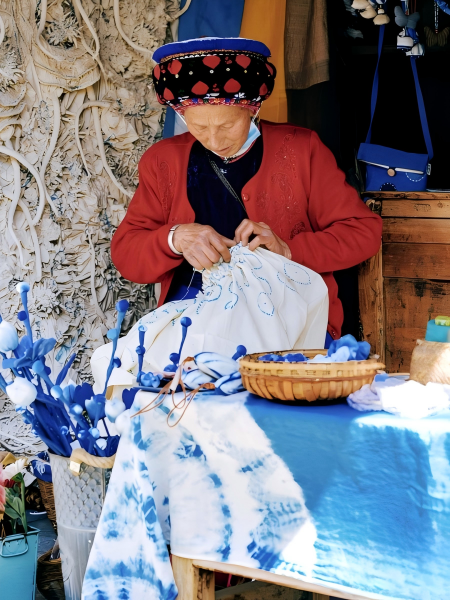
In the afternoon, drift into the depths of the narrow alleys. Most doors to Bai homes are left ajar—not necessarily to welcome guests, but to let the cross-breeze wander through. In a quiet courtyard, you might find vats of indigo dye, the air filled with the sharp, earthy scent of woad root. A woman works the fabric; on the deep blue cloth, white patterns of butterflies and plum blossoms seem to grow from within. She uses no sketches—the patterns are held in her heart and her hands. When asked how long it took to learn, she simply smiles and shakes her finger, saying it’s not about the years, but about “whether you can truly quiet your mind.”
By night, Renmin Road is alive with energy, but the soul of the ancient town hides in the corners where the lights don’t reach. Under the eaves of old walls, someone grills Erkuai (rice cakes) over charcoal, the toasted aroma mingling with the evening breeze. The nights here are made for walking. The flagstones have been smoothed by hundreds of years of footsteps; if you step on them barefoot, you can still feel a trace of the sun’s lingering warmth.
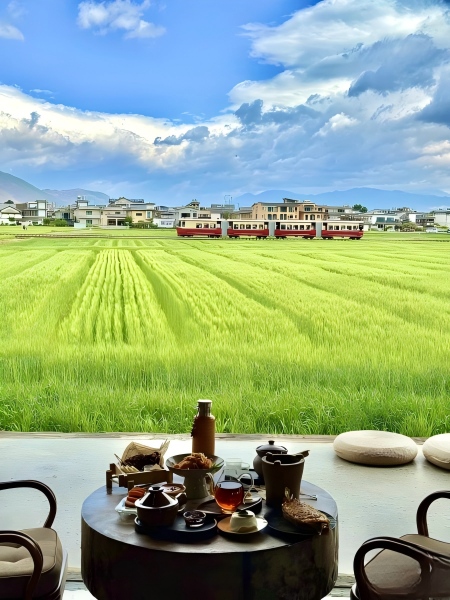
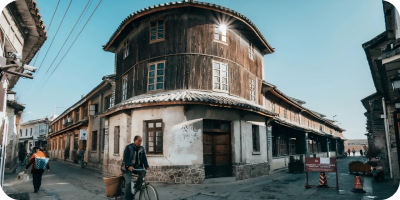 Leaving the ancient city and heading north, the fields stretch wider until only a few colors remain: the blue of the sky, the green of the rice paddies, the weathered yellow of Xizhou’s old walls, and the purple and white of wildflowers.
The prosperity of Xizhou is understated. In the famous Yan Family Mansion, the entrance is modest, yet one courtyard leads into another in what seems like an endless sequence. The spirit wall bears the inscription “Pure and Honest Heritage,” and in the courtyard sits an old well. Its water is clear and sweet—the perfect companion for tea. The ancestors here began as caravan leaders on the Tea Horse Road; having seen the world, they chose to transform their wealth into enduring stone and wood. Every stone carving and every wooden lintel is solid, built to be passed down through generations.
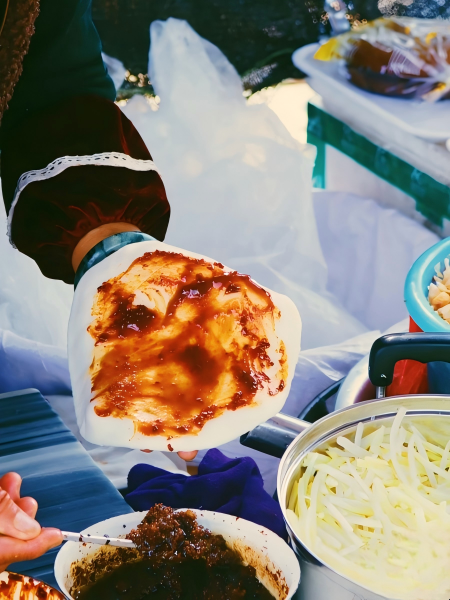
At the edge of town, the Xizhou Baba (savory pancake) offers a different kind of solidity. The dough is stretched and tossed in the master’s hands, brushed with lard and rose sugar, then pressed into a hanging furnace to slow-roast over charcoal. While you wait, you can watch egrets rise and fall over the fields, and the stall owner unhurriedly flipping the cakes. Here, life itself is toasted into a golden, crispy, perfectly balanced flavor of simple sincerity.
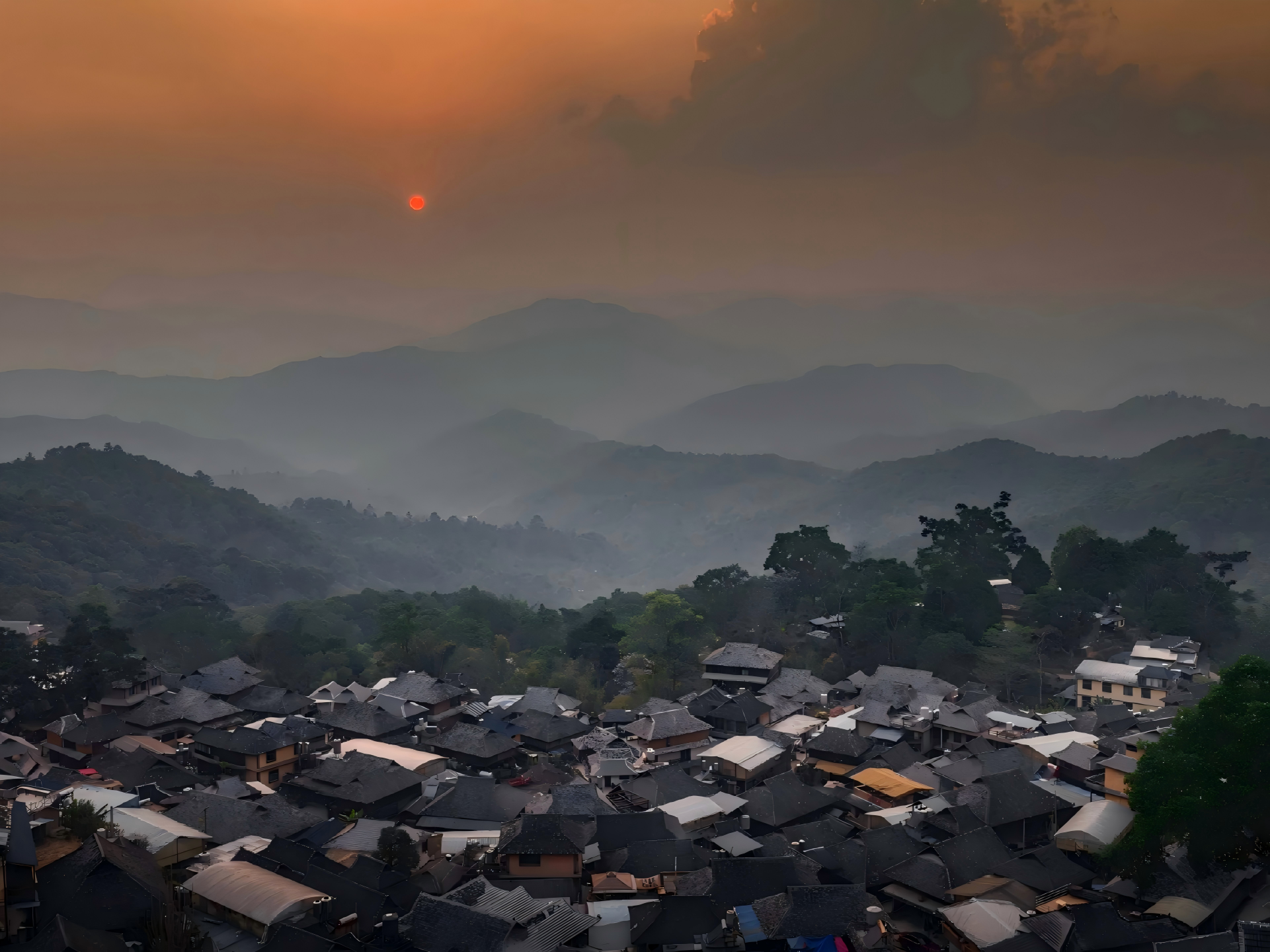
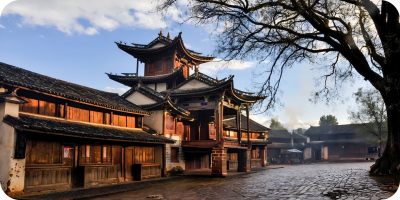 Between Dali and Lijiang hides a small town. It lacks the widespread fame of its neighbors, yet it preserves the most intact memories of the Ancient Tea Horse Road. This is Shaxi—a place where the clock ticks with a deliberate slowness. The waters of the Heihei River under Yujin Bridge flow just as they did six hundred years ago, and though the paintings on the old theater stage have faded, they still echo the bustling energy of the passing caravans. Here, time does not race forward; it settles quietly like sediment.
In this town, where phone signals are fickle, you’ll discover that life is perfectly fine without the internet. Listening to elders share caravan stories beneath the stage, watching flocks of sheep cross Yujin Bridge at dusk, or simply daydreaming in the courtyard of Xingjiao Temple—Shaxi teaches us: sometimes, slowness isn’t falling behind, it’s a choice; and being “old” isn’t being outdated, it’s a form of persistence.
While most outposts on the Tea Horse Road have vanished, Shaxi has survived by a miracle. Perhaps it’s because this place understands: true heritage isn’t about enshrining the past, but about letting it continue to breathe and shine within the life of today.
We guide you through the town’s hidden alleys, letting you sense how the spatial layout supports commerce, social interaction, and daily routines. Observe the simple gestures of daily life, from hand-carved woodwork to the careful preparation of local snacks, and feel how tradition flows naturally through space and action.
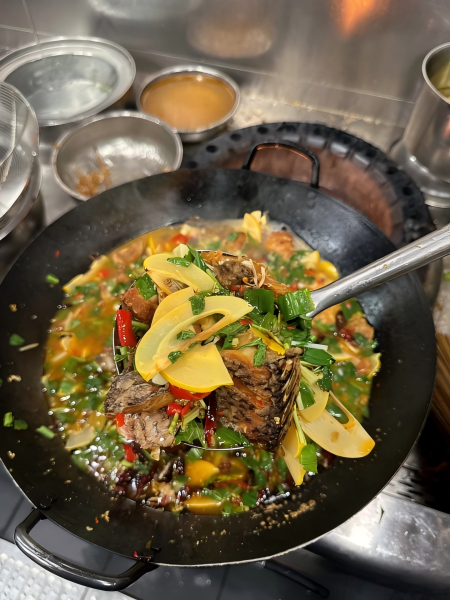
Here, you can engage with artisans, sample regional delicacies, and discover the patterns of a living town where each step carries the echoes of centuries. The experience goes beyond sightseeing—leaving you with tangible memories of craft, culture, and the unhurried pulse of Shaxi life.
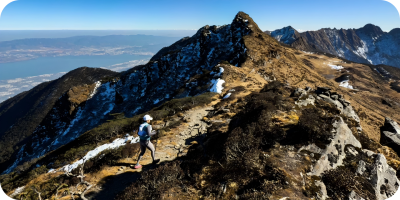 Cangshan rises dramatically above Dali, its ridges and valleys offering a vast playground for hikers seeking both challenge and serenity. Each trail reveals shifting landscapes—from mist-laden forests to alpine meadows and panoramic views over Erhai Lake.
We lead your journey with the guidance of nationally and provincially certified trekking experts, ensuring that every step is safe, informed, and deeply connected to the mountain’s natural rhythm. Along the way, you’ll learn to read the terrain, discover hidden ecological details, and experience the mountain’s subtle moods as sunlight, wind, and altitude change around you.
This is more than a hike; it is a full-bodied encounter with Cangshan. Under expert supervision, your trek becomes an exploration of endurance, observation, and presence—leaving you with both the thrill of the climb and a profound connection to the landscape.
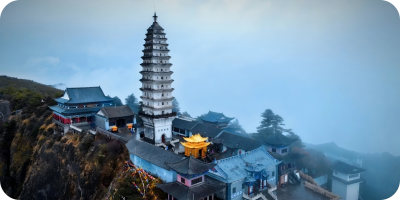 Jizu Mountain rises with ridges shaped like a rooster’s claw, blending striking natural forms with centuries of Buddhist practice. Temples, prayer halls, and meditation paths nestle into the slopes, creating a landscape where devotion and nature flow together.
We guide you along hidden trails and temple courtyards, letting you observe rituals, pause at shrines, and feel the calm rhythm of the mountain. Each step is an invitation to reflect, connecting you to the stillness of both forest and faith.
Your visit is more than sightseeing—it is a mindful immersion, leaving behind tangible memories of sacred space, quiet contemplation, and the enduring pulse of Jizu Mountain.