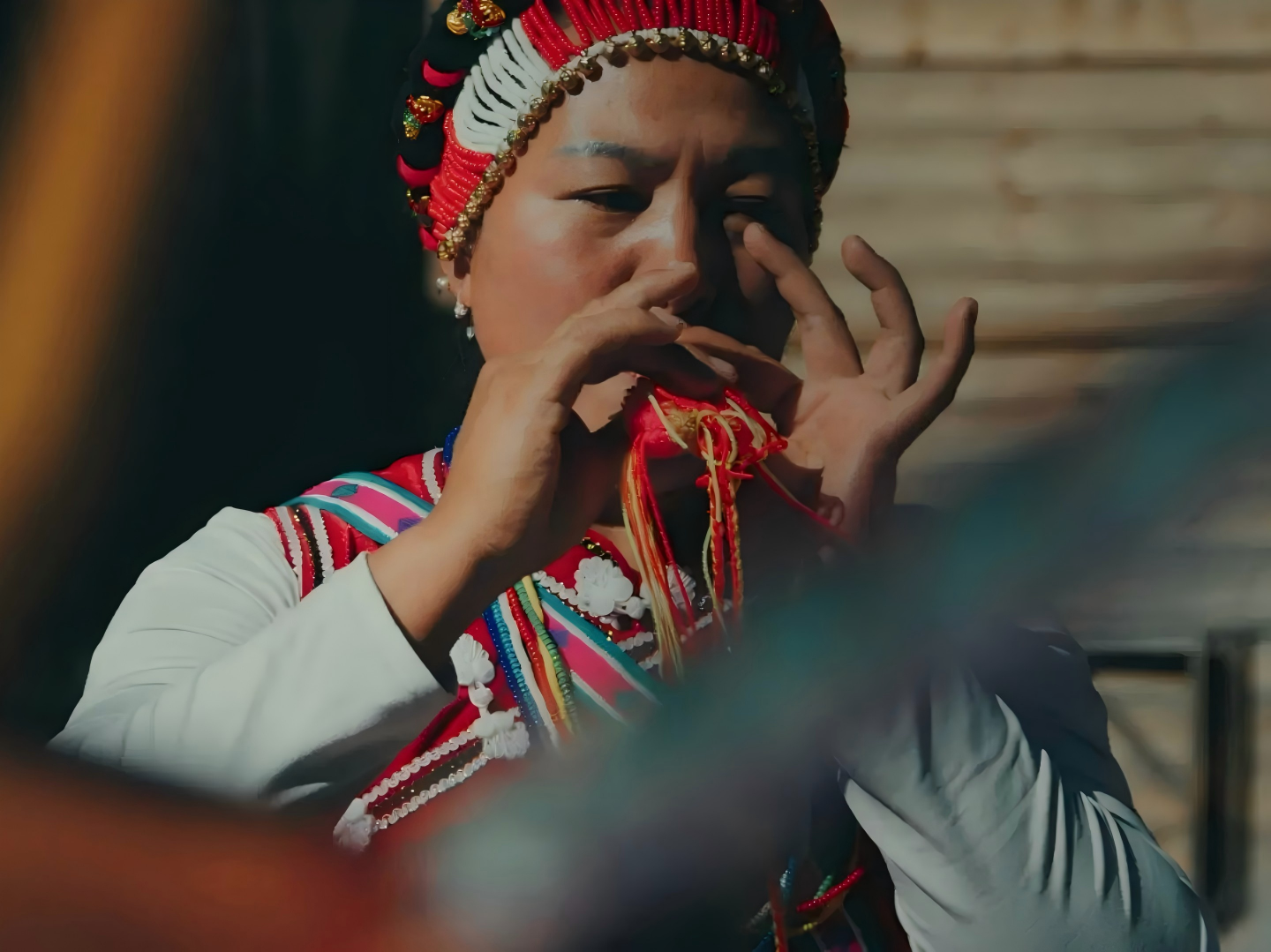
Yuanyang: Where Terraces Sculpt the Mountains
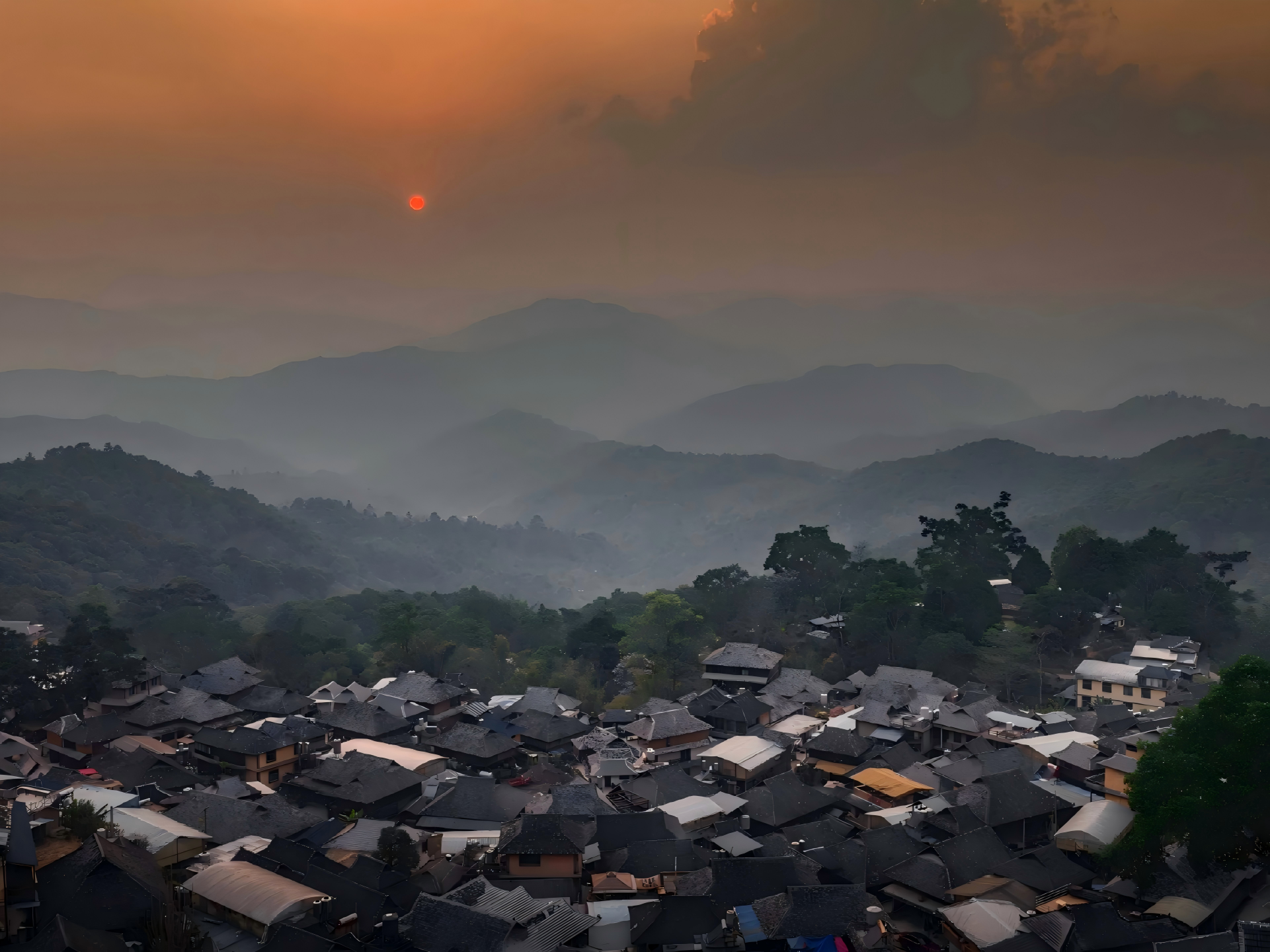
Nestled in southern Yunnan, Yuanyang is a landscape carved by centuries of human hands and flowing water. Endless rice terraces cascade down steep hillsides, reflecting the sky and sunlight in ever-changing patterns. The Hani people’s villages, perched between terraces, breathe life into this mosaic, blending human ingenuity with nature’s rhythm.
From misty mornings to golden sunsets, every terrace tells a story of labor, tradition, and seasonal cycles. Festivals, local markets, and ancestral rituals connect communities across generations, offering travelers a window into a culture deeply intertwined with the land.
Whether trekking along ridge paths, observing farmers at work, or watching the terraces mirror the sunrise, Yuanyang immerses visitors in a world where geography, agriculture, and heritage converge into unforgettable scenery.
Meet Yuanyang
Where it is:
Yuanyang is located in southern Yunnan, China, near the border with Vietnam, about 250 km south of Kunming. The region is famous for its breathtaking rice terraces, rivers, and the traditional villages of the Hani people, offering a deeply scenic and cultural experience.
Altitude:
Most of the terraces and towns lie between 1,000–2,000 meters above sea level, creating a subtropical highland climate ideal for rice cultivation.
Weather:
Mild and comfortable for much of the year. Spring and autumn range from 15–25°C, summer 20–28°C, and winter 10–18°C. The rainy season occurs mainly from June to September, while the rest of the year is relatively dry with clear skies.
People & Language:
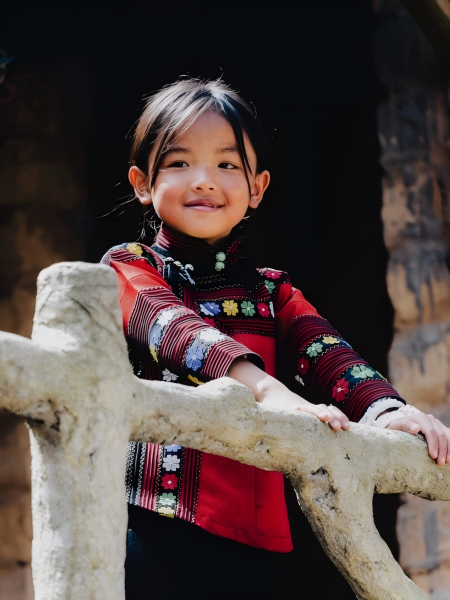
Population is roughly 300,000–400,000, predominantly Hani, along with Han and other ethnic groups. Mandarin is common, while Hani language and cultural traditions remain strong in villages and daily life.
Getting Around:
Yuanyang can be reached from Kunming by bus or private car. Local roads connect villages and viewpoints, and small taxis or motorcycles are commonly used to explore terraces and rural areas.
Tips for Your Visit:
Best time: November–April, when skies are clear and terraces reflect stunning patterns of water and light. Take time to walk through villages, observe rice farming rituals, and respect local customs and the pace of life in rural Yunnan.
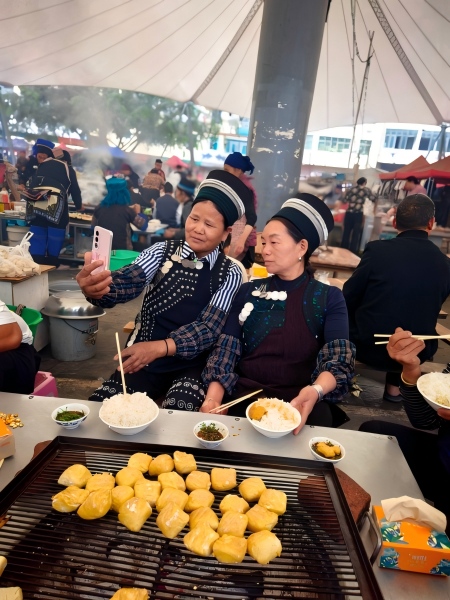
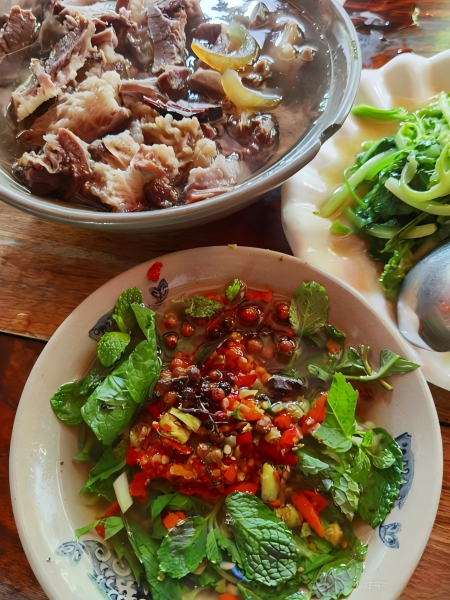
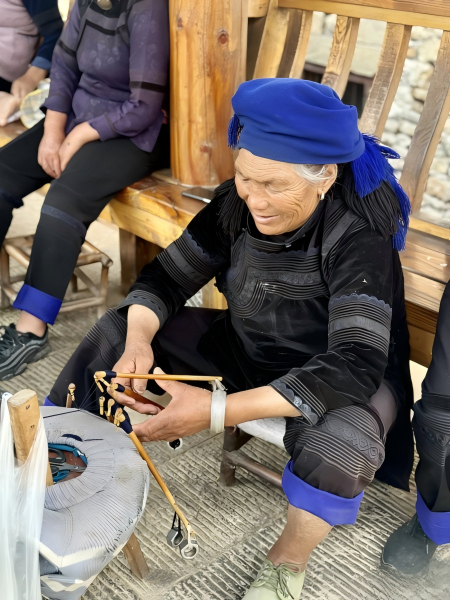
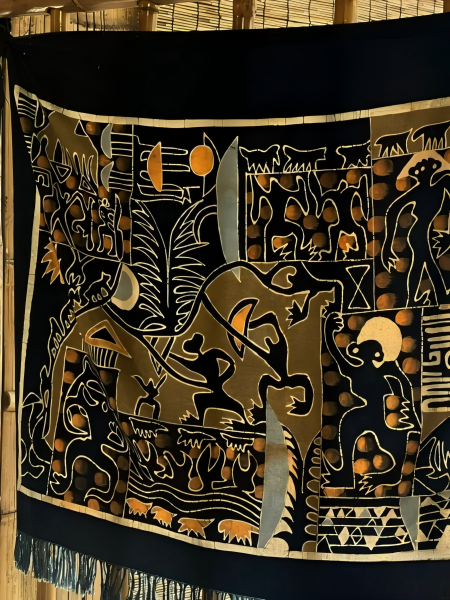
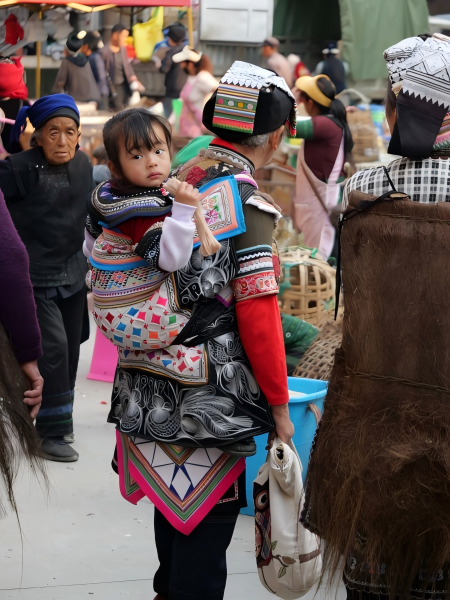
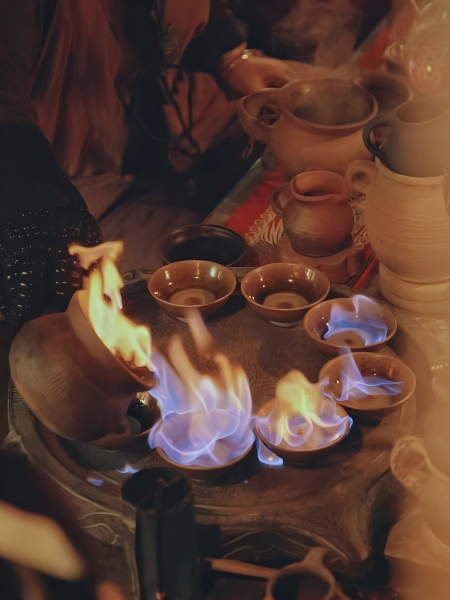
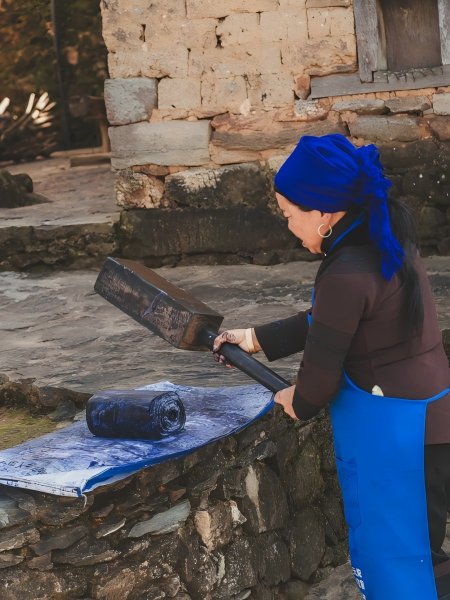
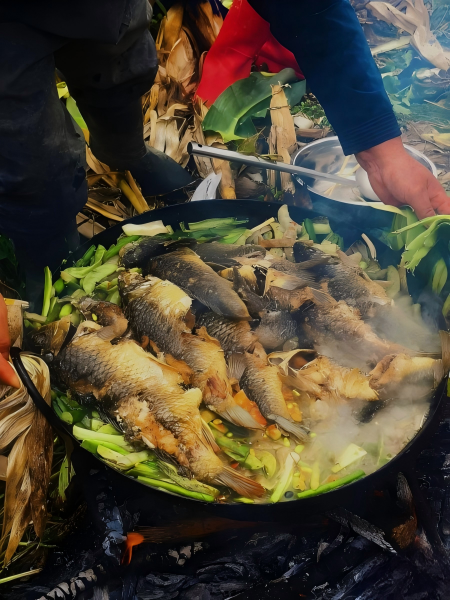
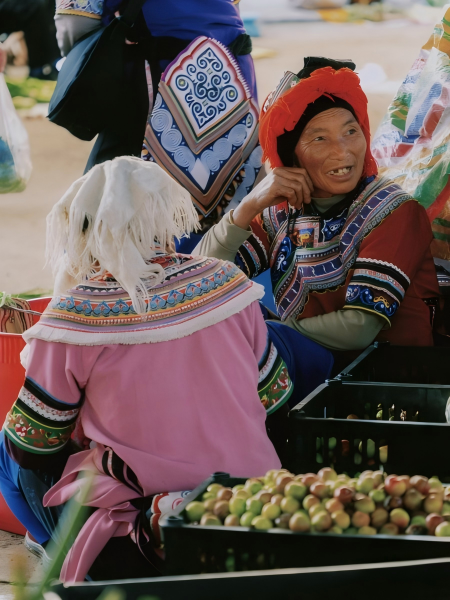
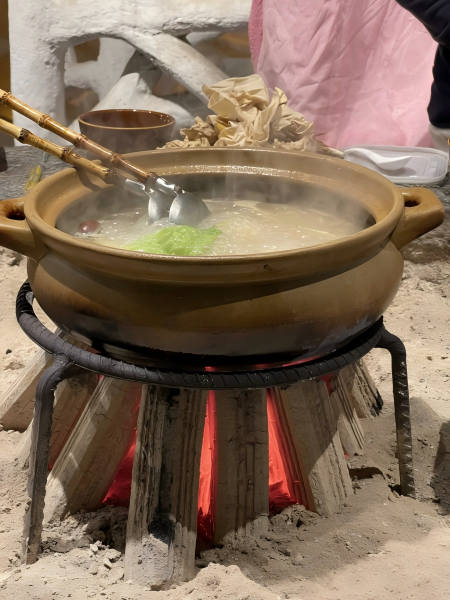
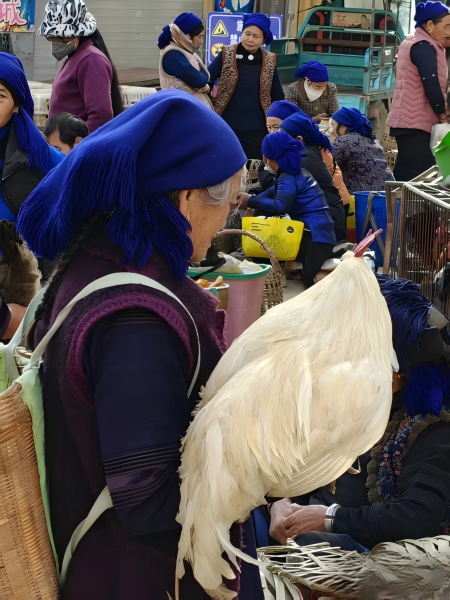
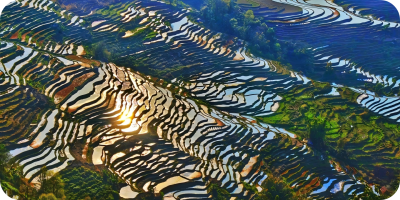 Deep in the heart of the Ailao Mountains, thirty generations of Hani people have woven their collective wisdom into 190,000 acres of terraced hillsides. When the first light of dawn pierces through the clouds, you aren’t just looking at a stunning landscape—you are witnessing a 1,300-year-old dialogue between a people and the land.
This isn’t just a “scenic spot”; it is a living textbook on how to build a civilization within a challenging environment. It isn’t an engineering feat meant to conquer nature, but a design that flows in harmony with the natural rhythm of the mountains. More than just agriculture, it is a complete ecosystem where water, culture, and community meet. This is not a static relic of the past—it is an evolving survival wisdom that continues to grow and adapt every single day.
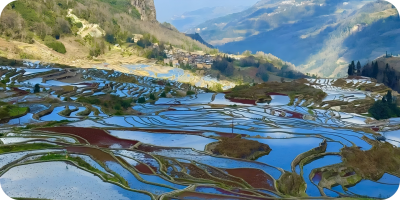 At 5:30 AM, the mist still clings to the waist of the mountains. A Hani elder leads his water buffalo toward the terraces, walking the very same ridges his ancestors tread back in the Yuan Dynasty (1271-1368).
As the first light touches the mountain peaks, the entire range begins to awaken—over 3,000 tiers of terraces light up in succession, their colors shifting from a deep, quiet blue to a shimmering gold. This is more than a natural wonder; it is a masterclass in Hani hydraulic engineering. Every angle of the ridges, every subtle drop in elevation, and the precise flow of every stream has been calculated over centuries to create this harmonious rhythm of light and shadow in the morning glow.
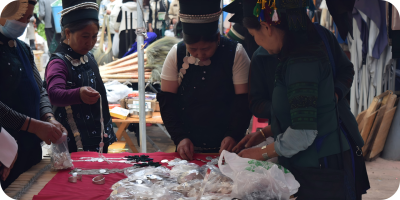 The weekly Niujiaozhai Market is a perfect window into mountain life. Hani and Yi women, dressed in traditional attire, carry hand-woven bamboo baskets filled with terrace red rice, wild greens, and hand-dyed fabrics.
More than just goods, what circulates here is the wisdom of generations—how to identify edible fungi, how to preserve dried terrace fish, and how to weave bamboo tools perfectly suited for mountain labor. Nearby, a silversmith taps away at his workbench, his techniques identical to those recorded in Ming and Qing (1368-1912) dynasty archives. In this museum without walls, every stall is a living stage for a culture that refused to stand still.
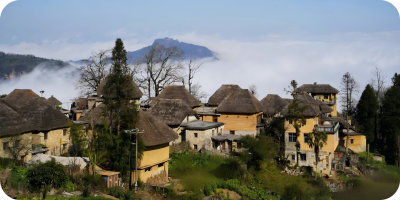 The Hani village of Azheke remains cradled within the embrace of the terraced fields. Its iconic “Mushroom Houses” are a marvel of architectural wisdom: thick thatched roofs shield against the mountain rains, while earth walls naturally regulate the indoor temperature. Their three-story design is a masterclass in space efficiency—livestock on the ground floor, family life in the middle, and grain storage at the top.
At the heart of every home is the fire pit, where a flame burns year-round as a symbol of family lineage. UNESCO recognized this village as a World Heritage site not merely for its ancient structures, but because it preserves a mountain ecosystem that is still very much alive and functioning today.