Journals
Fengyu Jiama: The Ancient Divine Paper Art Hidden in Dali’s Mountains
In Fengyu Ancient Town, Eryuan County of Dali, lies a thousand-year-old folk art. Unrecognized by grand imperial courts, it has long been woven into the daily lives of local residents through all seasons.
This is Yunnan Jiama, and Fengyu Jiama represents its most authentic and primitive essence.
Many people are familiar with printmaking and New Year paintings, yet few know about Jiama.
A unique folk woodblock print art exclusive to Yunnan, it is a genuine intangible cultural heritage rooted in mountains, farmlands and ancient villages.
Unlike delicate fine brush paintings, Jiama features rough, simple and unrestrained strokes, embodying the most sincere blessings and reverence of local elders.
01 What is Yunnan Jiama?
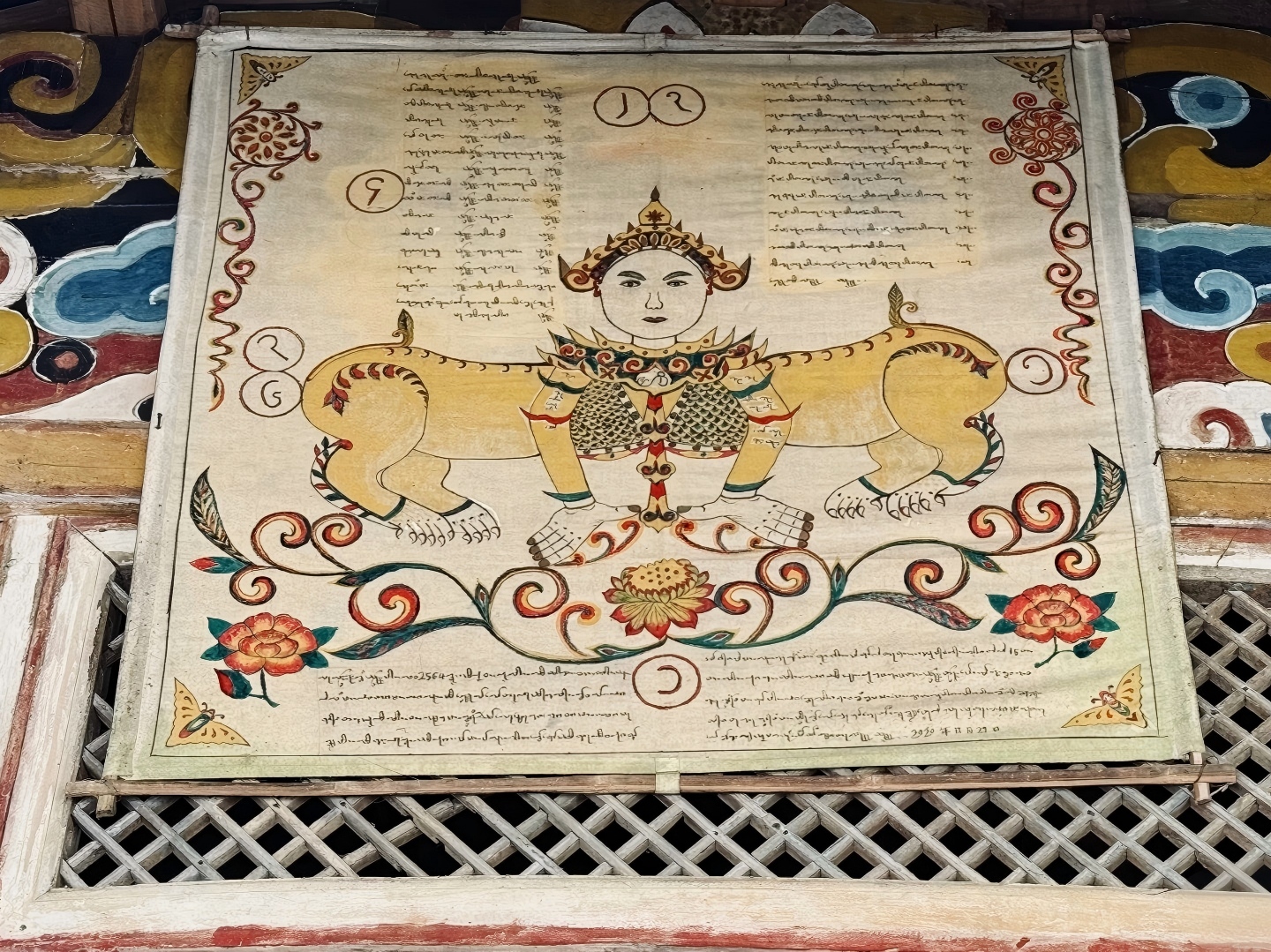
Literally known as “paper horse” or “sacred paper”, Jiama is regarded as an ancient paper messenger connecting humans and deities.
Its name carries profound poetic implications:
“Jia” symbolizes divine protection, while “Ma” means carrying wishes to travel far and wide.
Ancient people believed that these thin paper sheets, carved with images of gods and natural spirits, could deliver mortal prayers to deities when pasted on walls or burned as offerings.
Originating from the Central Plains woodblock printing technique, Jiama was introduced to Yunnan in the Ming Dynasty via immigrants, garrison troops and the Ancient Tea Horse Road. Taking root in Yunnan, it integrated local cultures including Bai people’s indigenous deity worship, natural mountain forest beliefs, farming civilization and horse caravan culture, breaking the boundaries of traditional Taoist and Buddhist deities.
Mountain gods, tree gods, road gods, livestock gods, grain gods and peace horses — every living thing and natural force was endowed with divinity and depicted in prints.
This is why Yunnan Jiama has become the most vivid and down-to-earth folk print system in China.
02 Why Is Fengyu Jiama Unique?
Within the entire Dali Jiama system, Fengyu Jiama in Eryuan is hailed as a “living fossil of western Yunnan’s Jiama art”.
Nestled at the foot of Luoping Mountain, Fengyu is an ancient millennium-old Bai ethnic town. Shielded from worldly hustle and bustle, it preserves a simple cultural ethos and intact farming folk traditions.
Compared with the standardized and commercialized Jiama works in other regions, Fengyu Jiama retains the most primitive and wild rustic beauty.
It boasts concise lines, bold carving techniques and exaggerated naive shapes.
Free of elaborate modifications and gorgeous colors, it adopts a simple black-and-white palette, conveying local villagers’ awe for nature, life and heaven and earth.
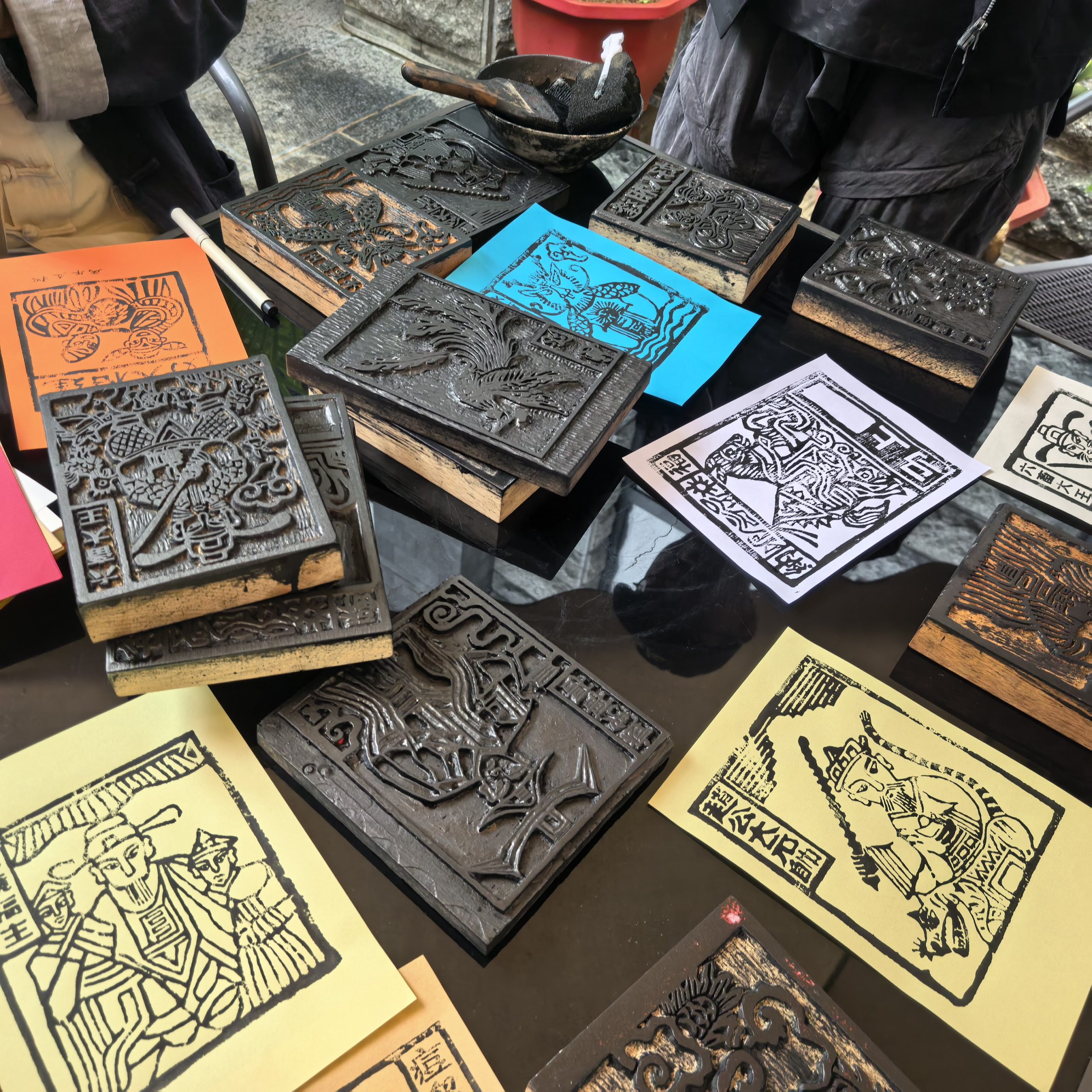
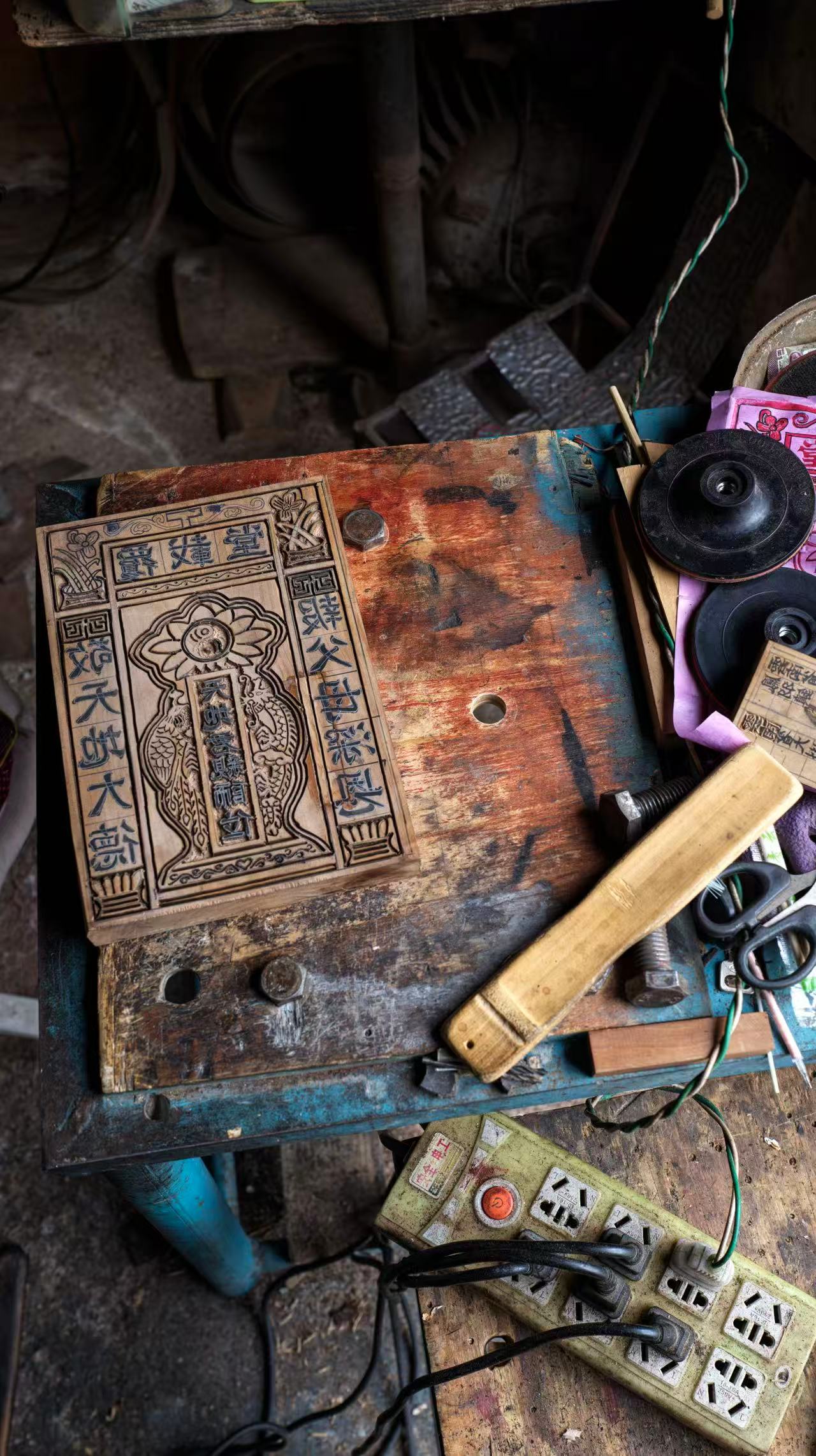
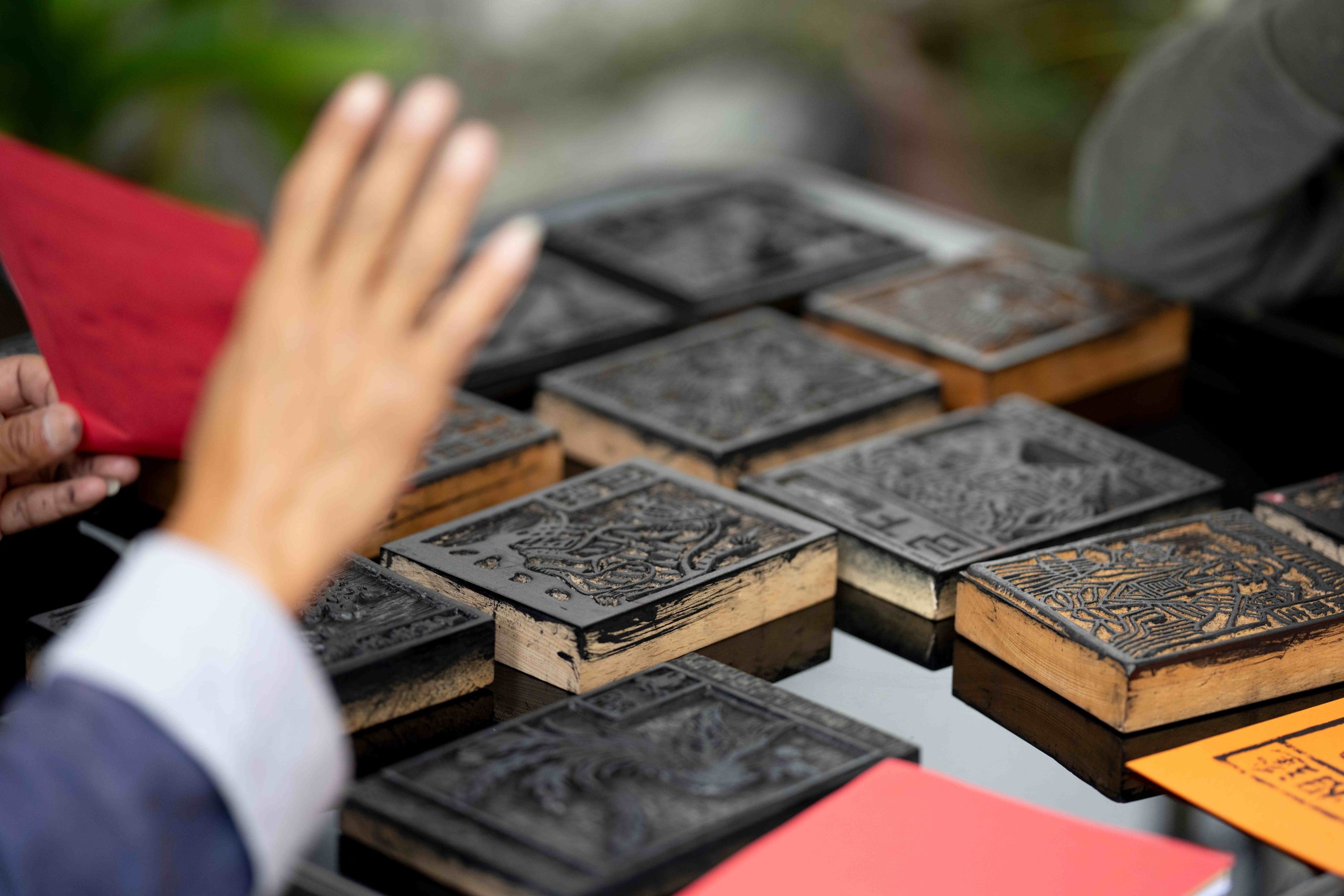
Ancient pear wood blocks have been passed down from generation to generation and printed year after year. Every subtle wood grain bears the traces of time.
03 Fengyu Jiama: Carvings of Local Life
The four seasons and daily lives of Fengyu locals are all engraved in Jiama prints.
During Spring Festival, every household pastes Jiama paintings to bless the family with peace and good fortune.
In plowing and harvesting seasons, people enshrine grain and livestock Jiama, praying for bumper harvests and thriving domestic animals.
In ancient times, horse caravan travelers would paste the “Safe Journey for Humans and Horses” print to pray for a smooth and safe trip through mountain roads.
Corresponding Jiama blessings are also used for children’s health, house construction and long-distance travel for study or work.
Far from being cold cultural relics in museums, Jiama is a living folk ritual that accompanies local people throughout their lives.
The classic Fengyu Safe Journey for Humans and Horses is the most representative Jiama pattern in western Yunnan. With a minimalist depiction of a horse and a human figure, it embodies the sincere wish for safe return of countless travelers along the ancient Tea Horse Road over thousands of years.
04 The Revival of an Ancient Mountain Art
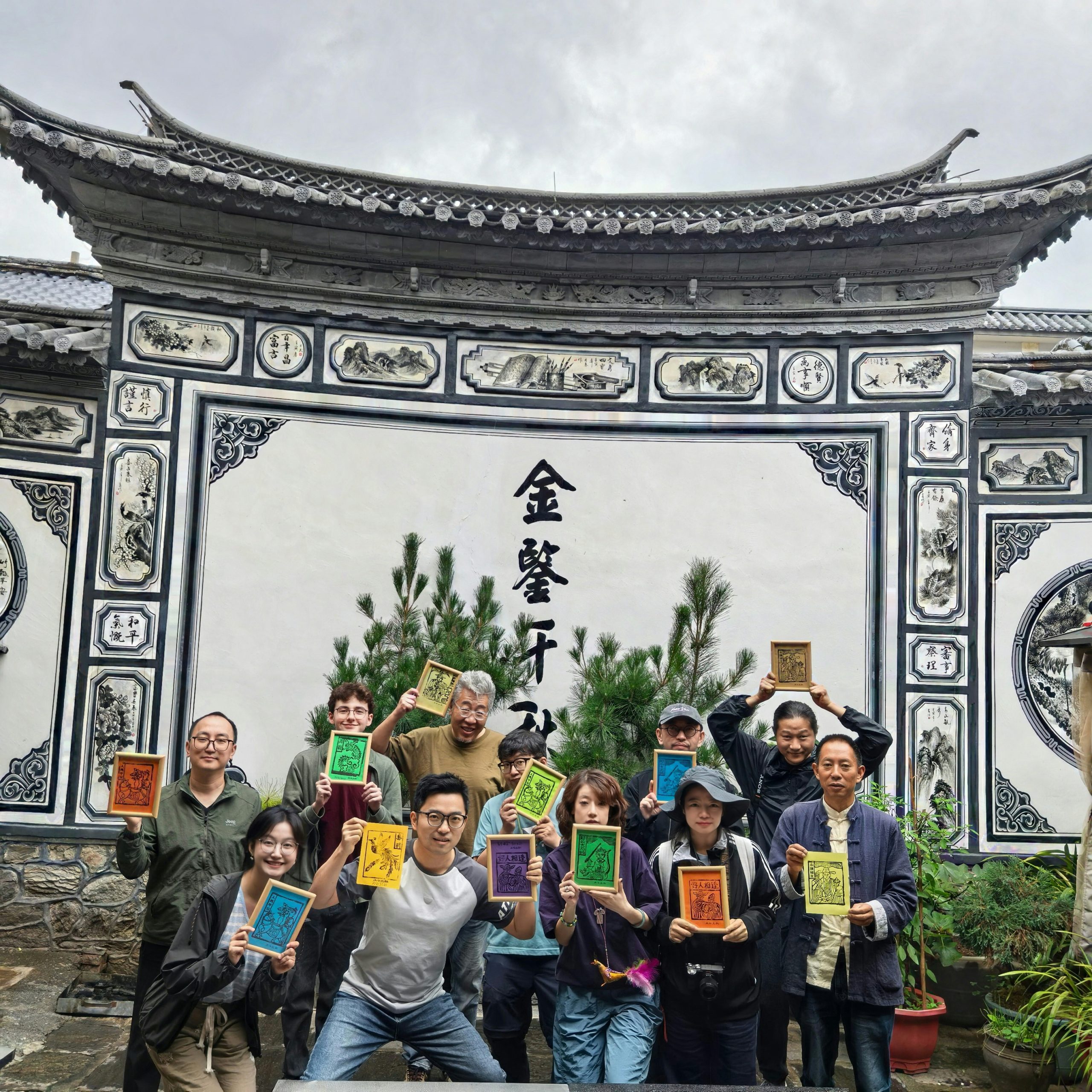
Once merely a common sacrificial paper craft in rural rituals, Jiama has been rediscovered and cherished today thanks to the persistent inheritance of local craftsmen in Fengyu Ancient Town.
The ancient woodblocks remain clear, and the traditional hand-printing techniques are well-preserved. Using local red cotton paper and pine soot ink, craftsmen recreate the timeless romance of mountain villages.
A thin piece of Jiama carries the Bai people’s folk beliefs, Dali’s rural cultural heritage, and the most simple blessings of Chinese people.
It is not grand, yet infinitely gentle; not gorgeous, yet deeply comforting.
All mortal expectations are embodied in one Jiama print: peace every year, smoothness in all things, safety for humans and horses, and endless peace day after day.
More From Journals