Insights,Travel Story
A Lancang River Valley Near Weixi That Even Few Locals Know—Visited by an Expedition 110 Years Ago
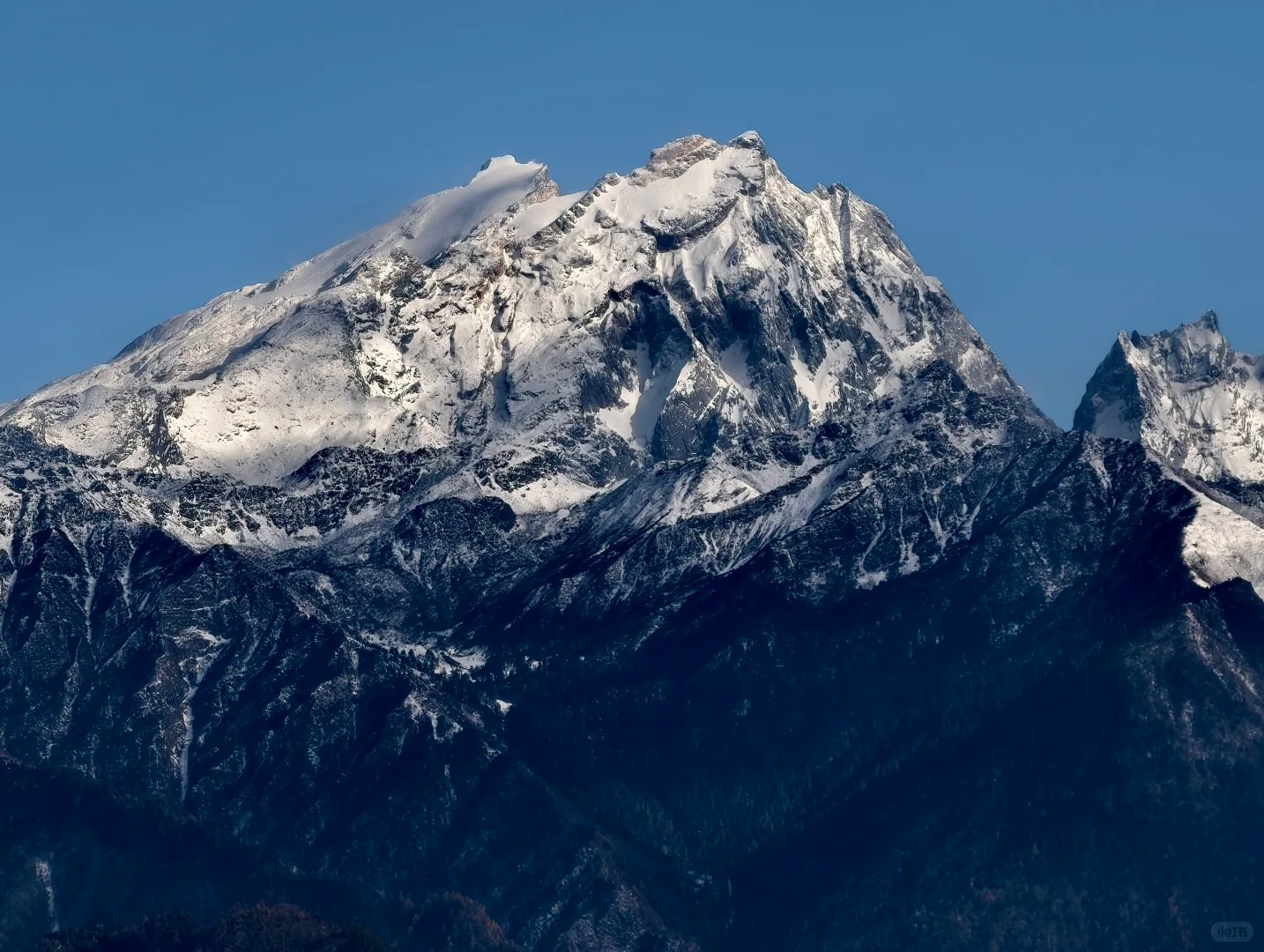
Some places in northwestern Yunnan rarely appear on popular travel itineraries. The Lancang River valley near Weixi is one of them. Sheltered behind snowcapped mountains and hidden deep within a gorge, it was once accessible only on foot or by mule, while river crossings depended on ferries and rope bridges.
110 years ago, an American expedition followed these difficult routes into the valley. Its members had come primarily to collect animal specimens, but they unexpectedly left behind a little-known travel story.
In 1916, the American Museum of Natural History organized a zoological expedition to Asia. The team was led by naturalist Roy Chapman Andrews, with his wife, Yvette, serving as its photographer. Another naturalist accompanied them to prepare specimens. That December, they traveled north from the Dali area, crossed snow-covered mountain passes, and reached Weixi on December 11.
Weixi was a small town, yet seven languages were spoken there, as different ethnic groups gathered to trade goods and exchange news. The expedition camped only briefly among the pines on a hillside before continuing west. After another day and a half of travel, they crossed a forested, snow-covered ridge, and the Lancang River finally came into view below.
This stretch of the river was tightly enclosed by mountains. Its waters, colored blue-green by melting snow, wound through the twisting gorge. The slopes on either side were so steep that it was difficult even to stand in some places. Yet generations of local residents had cultivated them into terraced fields, extending from the high slopes all the way down toward the river.
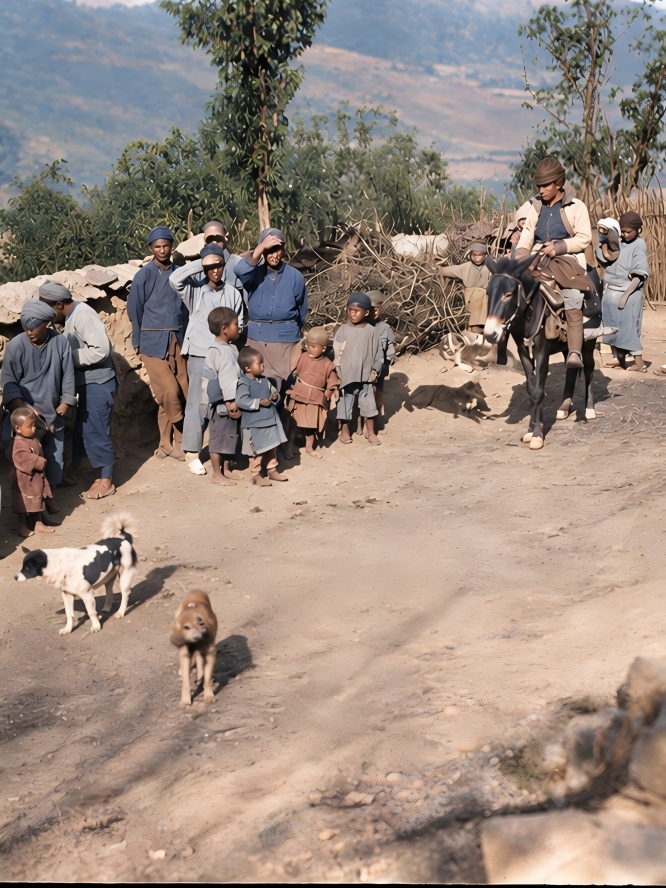
The expedition followed the river into a Lisu village. Yvette rode a mule at the front of the party, followed by pack animals carrying luggage, cameras, and a motion-picture camera. Hearing of their arrival, villagers gathered along the road. Elderly people, children, and even dogs crowded together to examine these strangers who had suddenly entered their mountain valley.
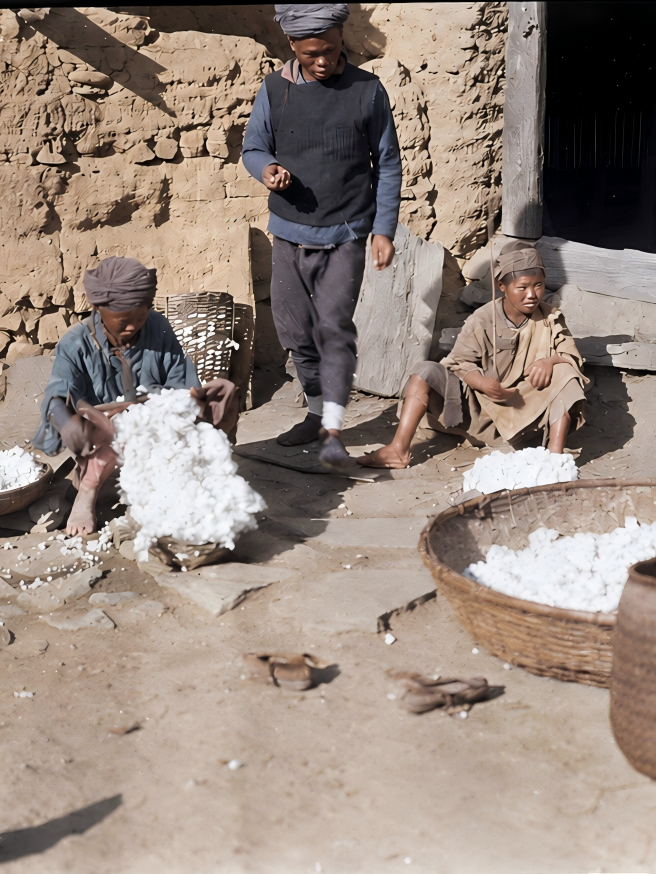
The visiting expedition did little to alter the valley’s established rhythm of life. During the day, villagers continued working outside their homes, sorting cotton into winnowing baskets and spreading it out to dry. After sorting, the cotton still had to be fluffed, rolled into strips, spun into thread, woven on a loom, dyed, and finally cut and sewn into clothing. An ordinary garment therefore required a long journey from field to loom, with every step completed by hand.
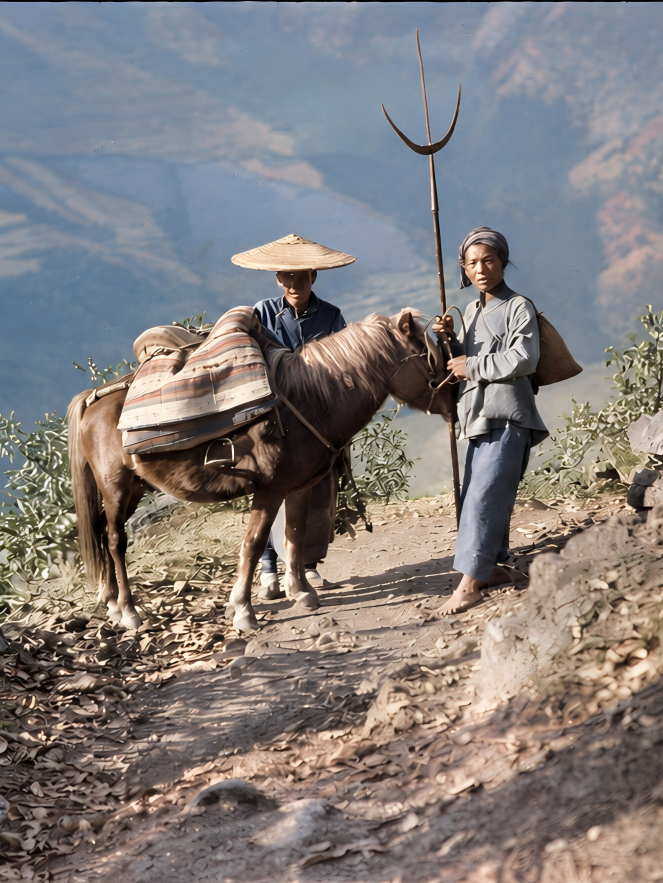
Life in the river valley moved slowly, but travel along its mountain paths was difficult and dangerous. The trails were often wide enough for only one person or mule at a time. Muleteers had to watch over their loads while remaining alert to wild animals in the forests. Along the way, the expedition encountered travelers carrying tridents taller than their shoulders. These iron forks could be used to handle fodder and test the path ahead, and they offered at least some protection if a traveler encountered a wild animal.
The expedition had expected the going to become easier once they entered the valley. Instead, the journey grew more difficult. The caravan repeatedly had to unload its cargo so that the boxes could be carried around sharp bends and over rocks. At times, the muleteers even had to cut away part of the trail to widen it. After eight or nine hours of exhausting travel, the party often covered only six or seven miles.
On December 20, they left the Lancang River valley and began crossing the mountains on their return journey. Several days later, on Christmas Eve, the travelers erected a Christmas tree deep in the forest and celebrated Christmas of 1916 far from home.
The story might have ended there. But a month later, they encountered the Lancang River once again.
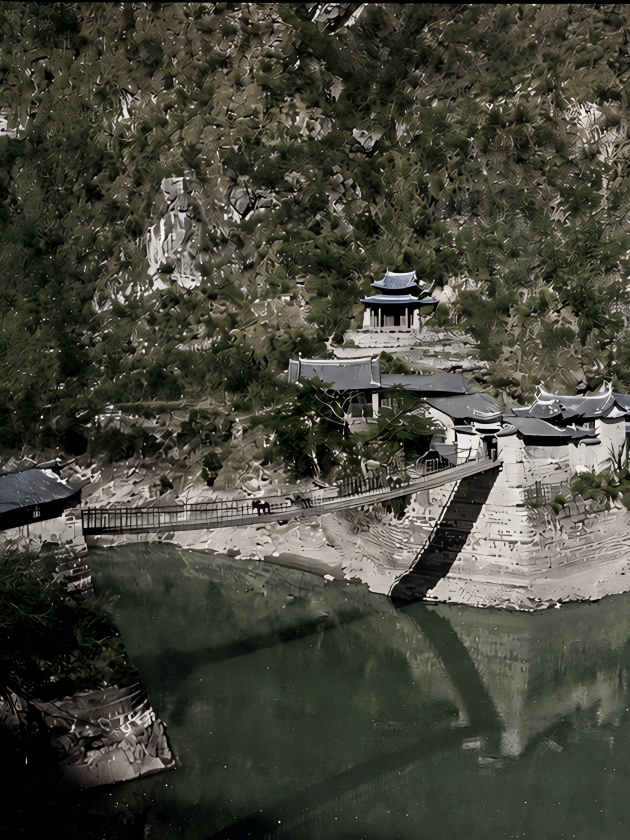
On January 20, 1917, the expedition traveled from Dali toward Yongchang and crossed the river along the ancient Bonan Road. Jihong Bridge, at the crossing formerly known as Lanjin Ferry, hung above the water, linking the houses, courtyards, and mountain paths on either bank. Caravans, travelers, and goods had long passed this way; the expedition was simply one more party moving through its long history.
For the expedition, the Lancang River valley was only a brief segment of a specimen-collecting journey. Its members were primarily interested in the mountains’ animals and vegetation; the villages and residents along the way were not the focus of their research.
Yet more than a century later, what draws people back to this journey is not only the snowcapped mountains and river gorges. It is also the villagers who gathered around the mule caravan, the women sorting cotton outside their homes, and the travelers who walked the mountain paths with iron forks in hand.
Some places remain little known not because they have no stories, but because their stories have been forgotten for too long. This stretch of the Lancang River valley near Weixi deserves to be put back on travelers’ maps.
More From Insights,Travel Story