Ethnic Culture
Gedong Festival
The Masked Dance of Blessings
Cultural Story
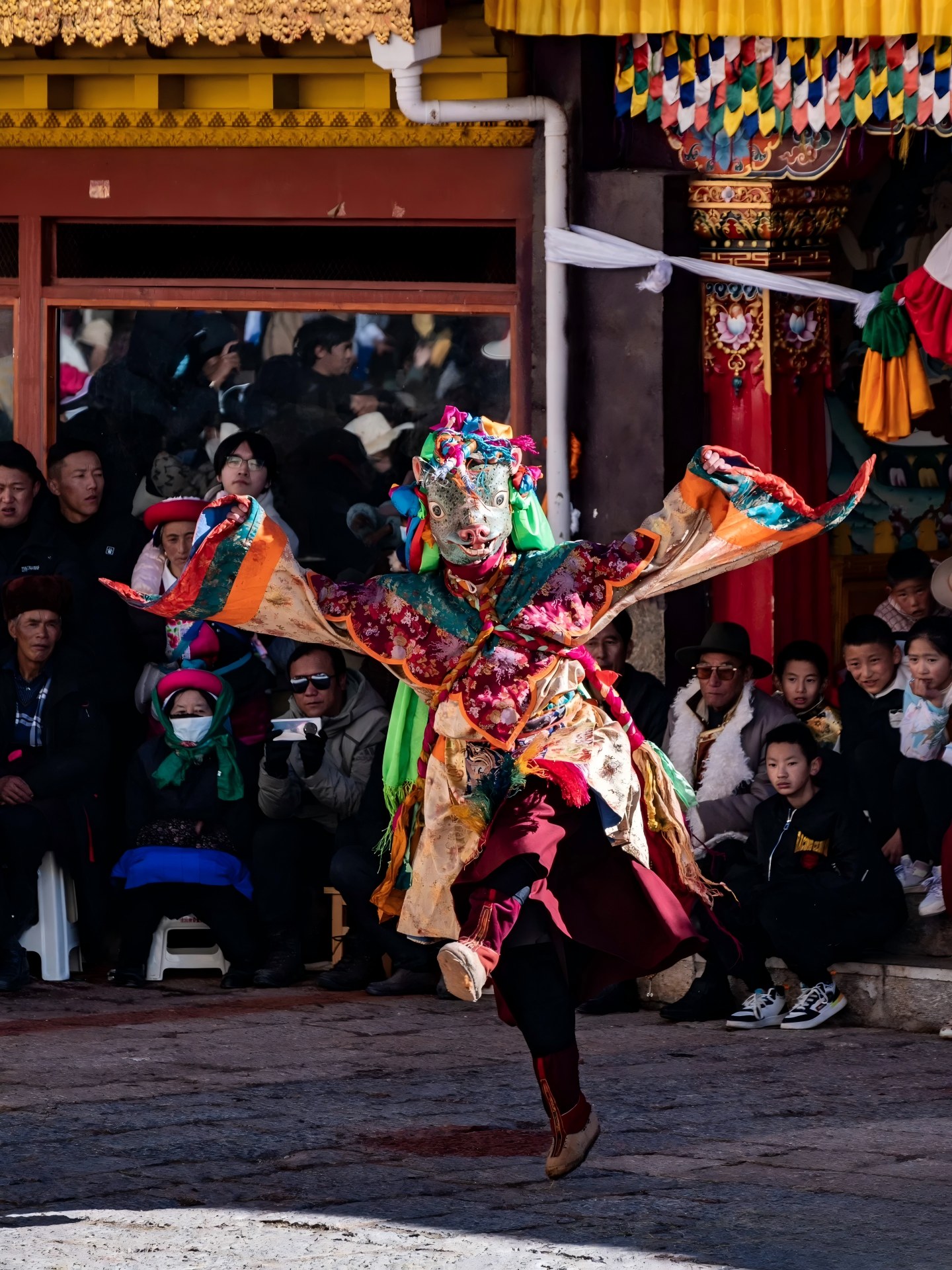
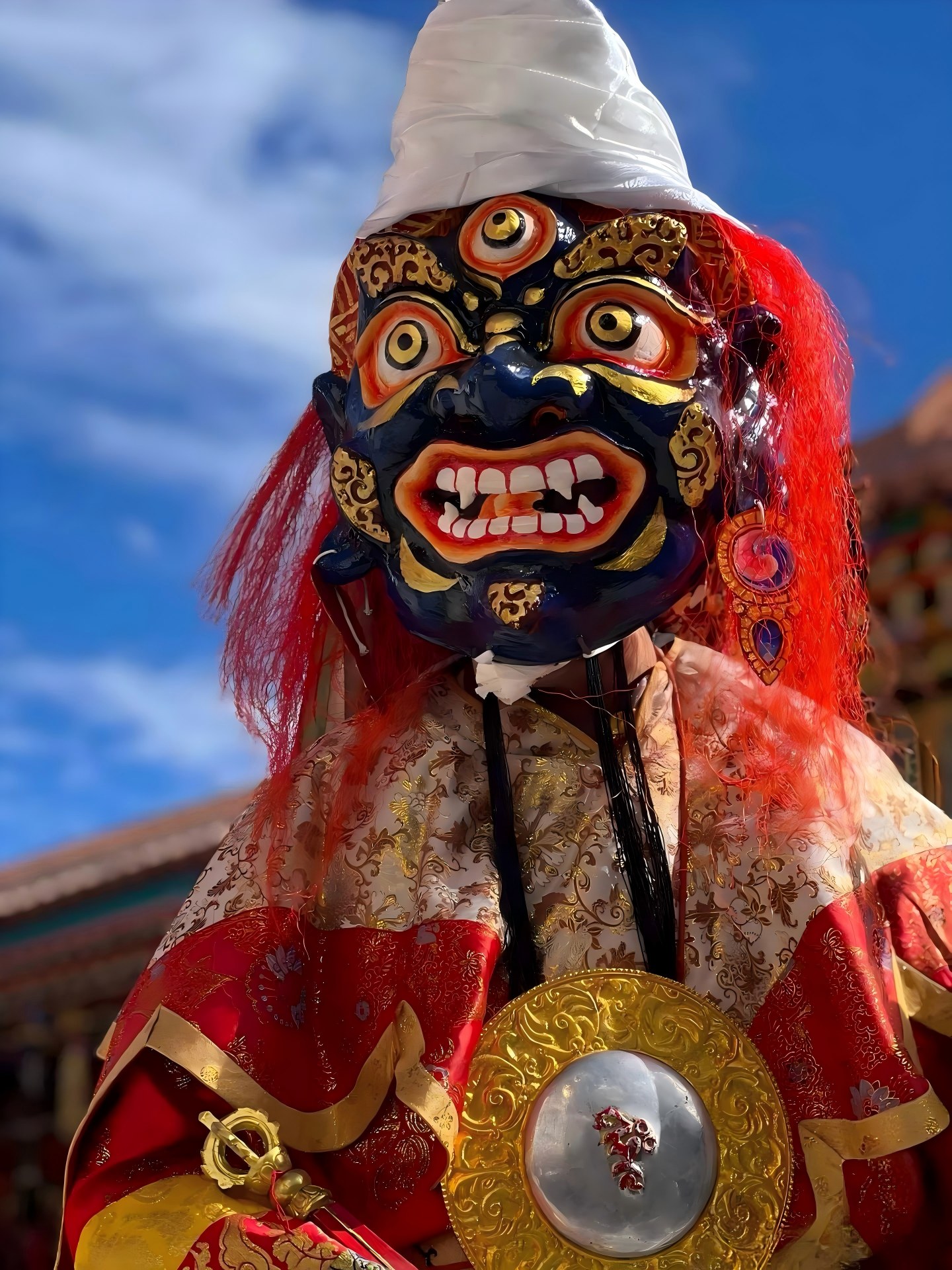
The Gedong Festival is a major annual Tibetan Buddhist event held at monasteries like Ganden Sumtseling in Shangri-La. Its name in Tibetan relates to a communal feast, but it is best known as the “Mask Dance” festival. Held around late December (Tibetan calendar month 11), it is a vibrant, days-long ceremony where monks perform sacred Cham dances wearing elaborate masks depicting deities, ghosts, and animals. The rhythmic sounds of cymbals, drums, and long horns accompany the dances, which are believed to dispel evil, celebrate the year’s harvest, and pray for peace and prosperity in the coming year. It is a profound display of faith, where the spiritual world is made visible through movement and ritual.
Exclusive Experiences
- Can I witness the sacred Cham mask dance up close? We arrange for a privileged viewing position during the main dance performances. You’ll see the intricate masks and costumes representing Buddhist protectors and mythological beings, and feel the powerful vibrations of the traditional music performed by the monks.
- How can I understand the meaning behind the masks and dances? Before the ceremony, a local cultural guide will explain the symbolism of the key masks (like deer, skeletons, or deities) and the narrative of the Cham dances, helping you appreciate the stories of subduing demons and bestowing blessings.
- Can I participate in the lighting of butter lamps? Yes. You will be invited to light a traditional yak butter lamp within the monastery. A monk or guide will explain the significance of this offering as a gesture of wisdom, purification, and making a personal wish for the new year.
- Is it possible to see the festive gathering of local Tibetan communities? Absolutely. The festival draws thousands of local devotees in traditional dress. You can observe and respectfully interact with families who come to pray, socialize, and enjoy the spectacle, offering a genuine glimpse into living Tibetan culture.
- Can I taste the traditional festive food? We will arrange for you to sample “Gedong” in its original sense—a taste of simple, shared communal food like tsampa (roasted barley flour) and butter tea, connecting you to the festival’s roots as a celebratory feast.
More From Ethnic Culture