yunnan ethnie
The Tibetan: A Scroll of Faith Atop the Snow Peaks
Geographic Habitat: Alpine Pastures of Shangri-La
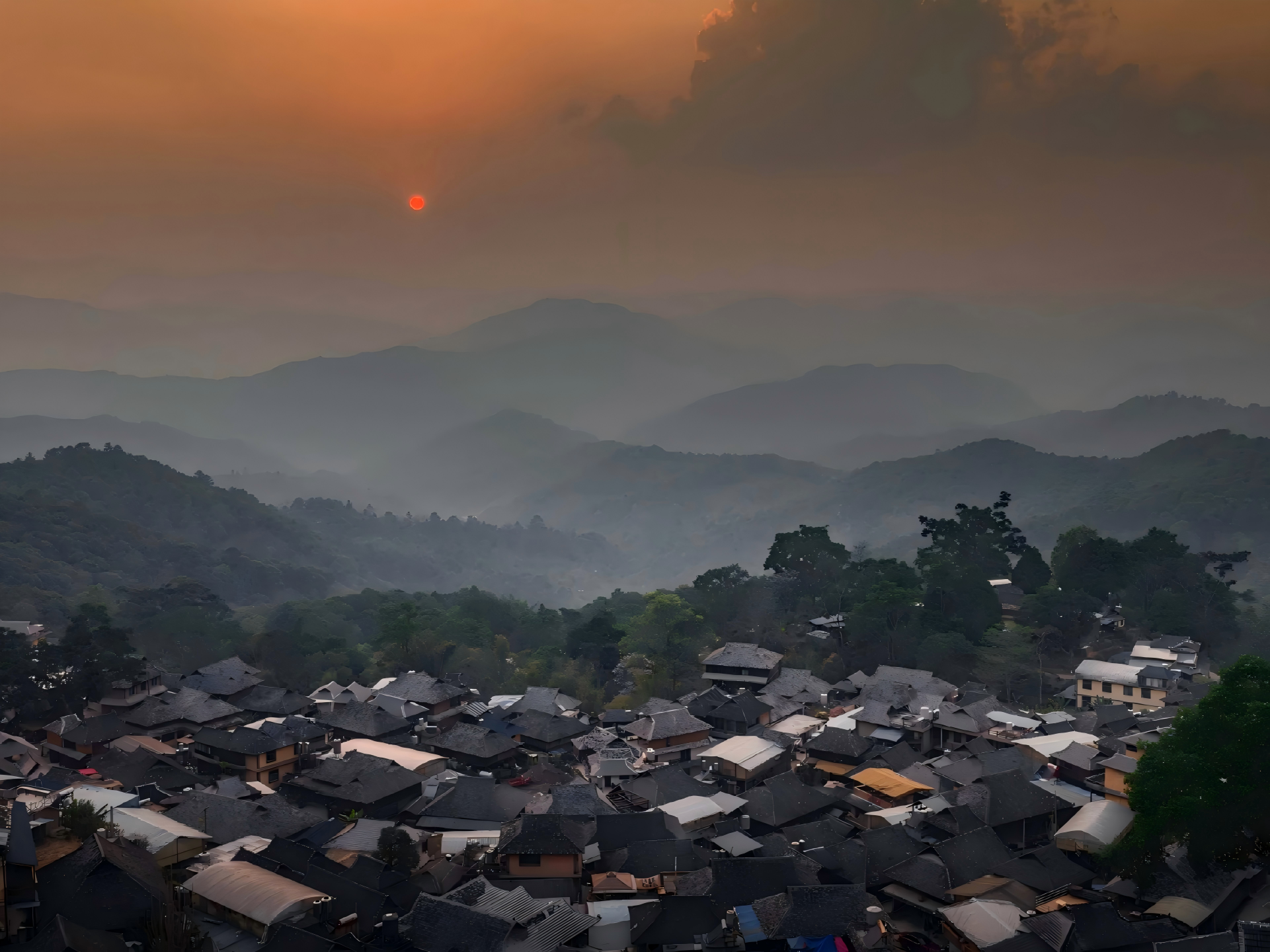
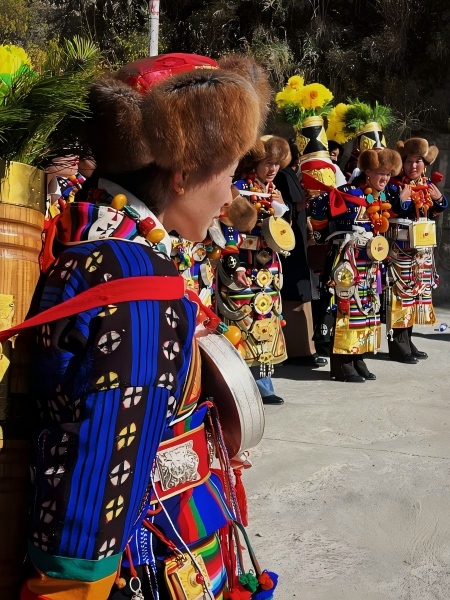
In Diqing Prefecture in northwestern Yunnan, the Tibetan people have lived for generations in the places closest to the sky. The piercing cold of the Meili Snow Mountain and the vastness of the alpine meadows form the extreme backdrop of their existence. Here, the air is thin and pure; traditional Tibetan houses with white walls and red roofs are scattered like stars across the valleys. Human dwellings lie in an attitude of absolute devotion at the feet of the holy mountains.
Historical Roots: Nomadic Echoes on the Tea Horse Road
As an extension of the nomadic civilization of the Qinghai-Tibet Plateau, the history of Yunnan’s Tibetans is inextricably linked to the winding, treacherous Tea Horse Road. For centuries, accompanied by the crisp ringing of horse bells, they navigated the perilous Hengduan Mountains, trading butter and highland barley for distant Pu’er tea. It was not merely a trade route, but a lifeline through which Tibetan ancestors sought survival and connection on the edge of the Roof of the World.
Spiritual Totem: Tibetan Buddhism and the Pilgrimage of Kora
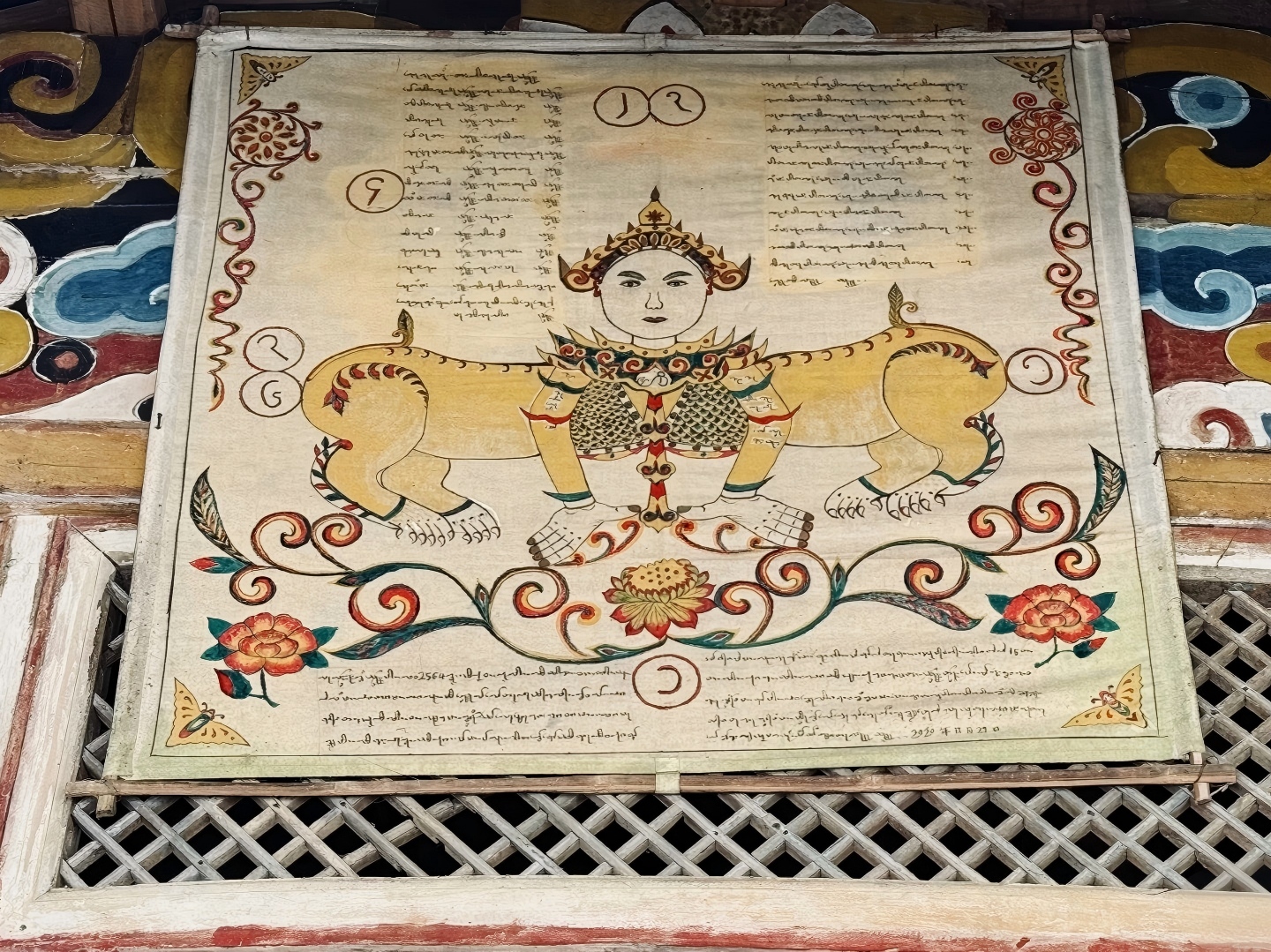
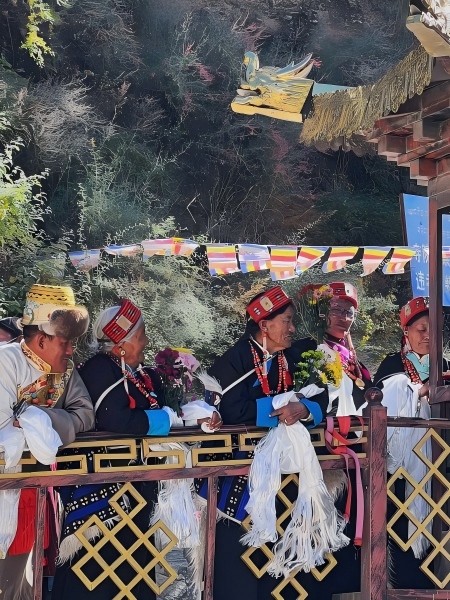
Faith is the ultimate warmth with which the Tibetan people resist the bitter cold and isolation. Within the morning bells of the Songzanlin Monastery and among the five-colored prayer flags fluttering in the wind, the compassion of Tibetan Buddhism has long blended into their blood. Firmly believing in animism, they revere the snow-capped mountains as inviolable deities. The ceaseless journey of “Kora” (circumambulation) is never about making demands of nature; rather, it is a long, arduous trek to achieve the purification of the soul and self-redemption.
More From yunnan ethnie