yunnan ethnie
The Mosuo: A Time-Honored Boat Song of Matriarchy
Geographic Habitat: Gentle Ripples and Pure Lands by Lugu Lake
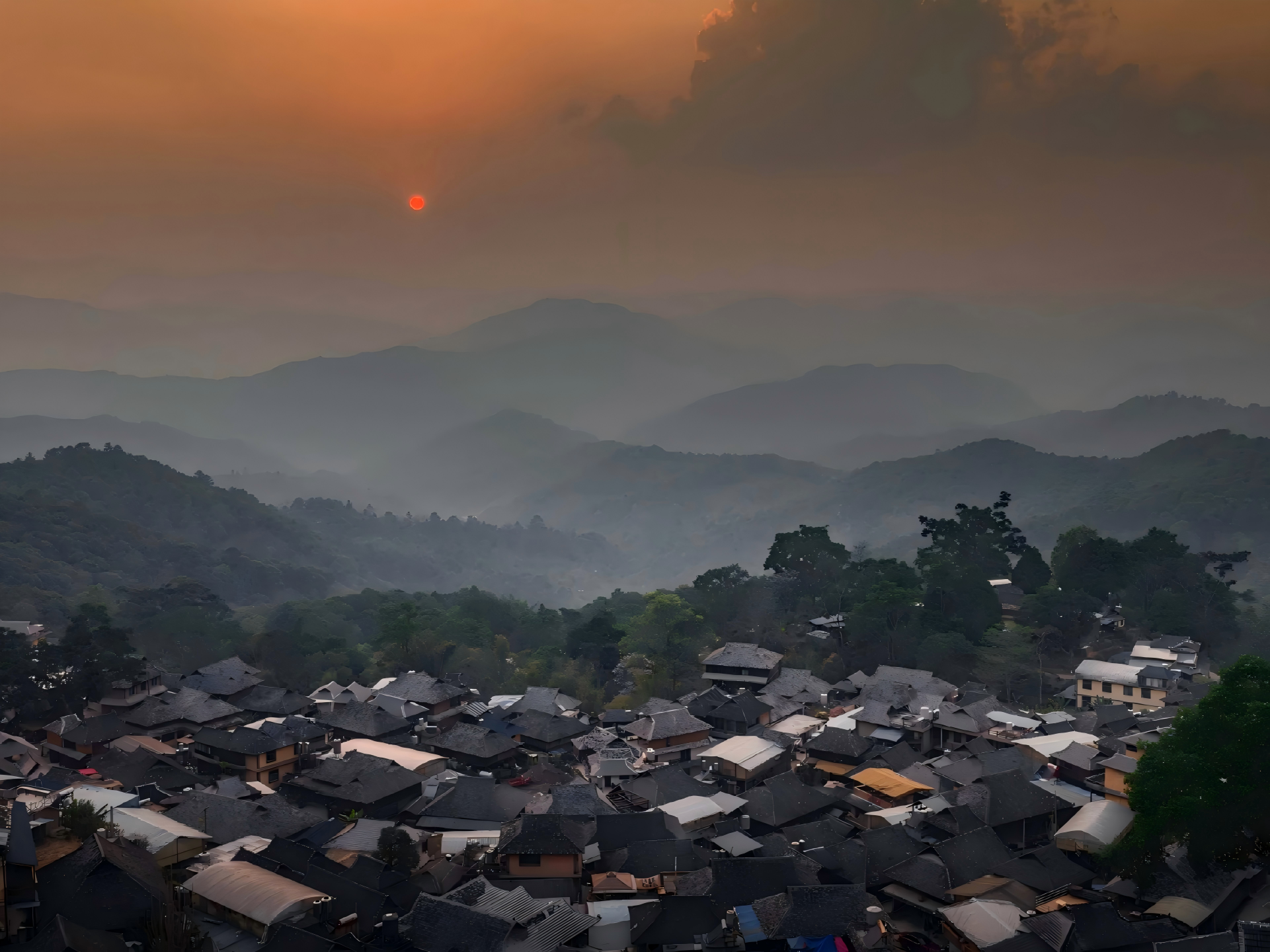
At the border of Sichuan and Yunnan, at an altitude of nearly 3,000 meters, Lugu Lake sits like a sapphire fallen to earth. The Mosuo people nestle by the gentle ripples of this waterscape they call the “Mother Lake.” Villages made of wooden log cabins wind along the shoreline, while traditional pig-trough boats glide silently across the crystal-clear surface. Free from the impatience of industrial civilization, the rhythm of all life here is as slow, gentle, and certain as the sound of the lake lapping against the shore.
Historical Roots: Living Fossils of the Ancient Kingdom of Women
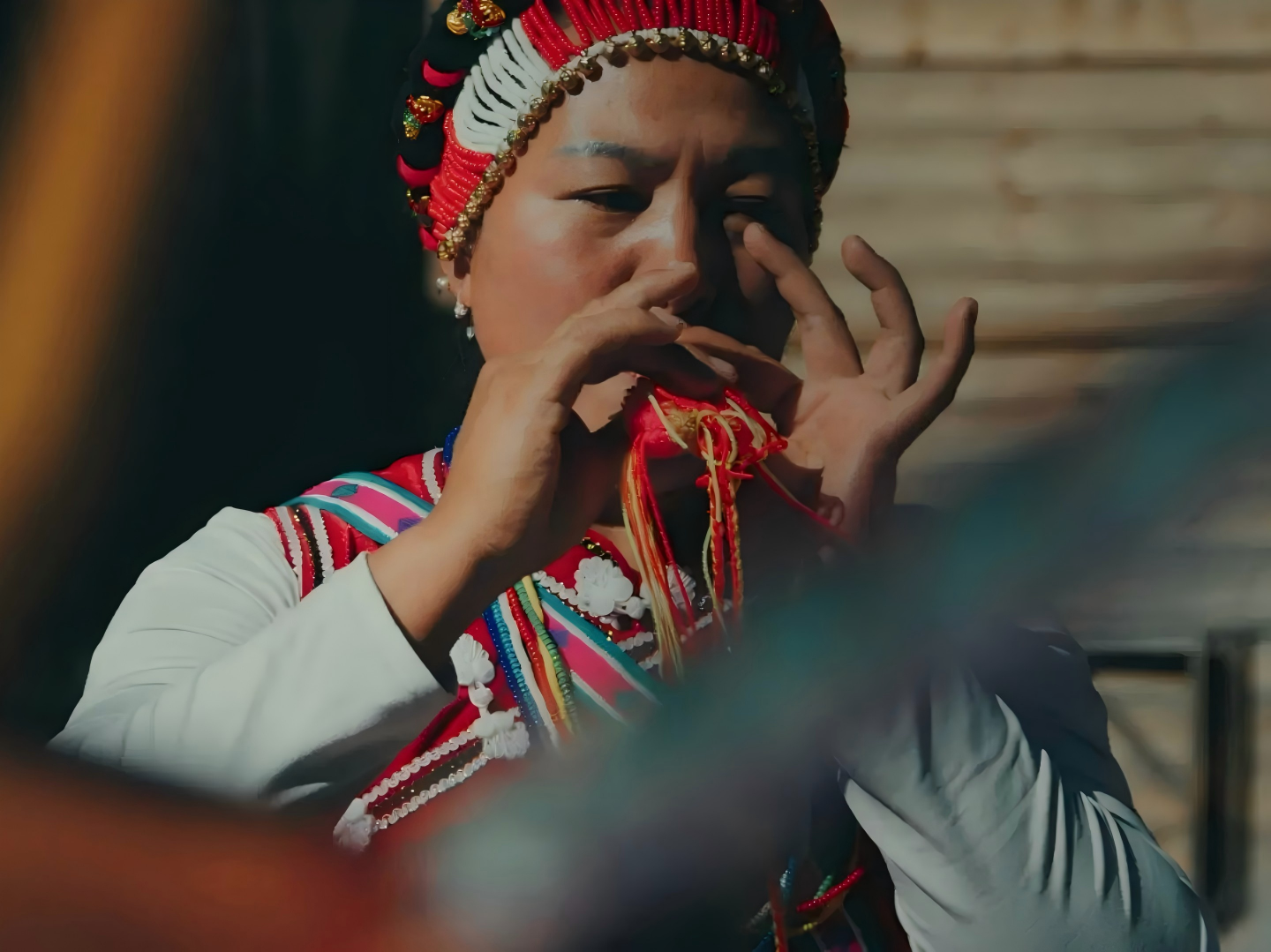
As descendants of the southward-migrating ancient Qiang people, the Mosuo have preserved an extremely rare and precious matrilineal extended family system. Amidst the torrents of time, as external rules constantly shifted, they clung to their “walking marriage” customs (where men do not formally marry in, and women do not marry out) within this basin protected by the Goddess Gemu Mountain. Far from the promiscuity imagined by voyeuristic outsiders, this is a deeply affectionate and stable familial covenant built upon absolute respect for women, with the bloodline mother at its absolute core.
Spiritual Totem: Embers of the Grandmother’s Room and Goddess Gemu
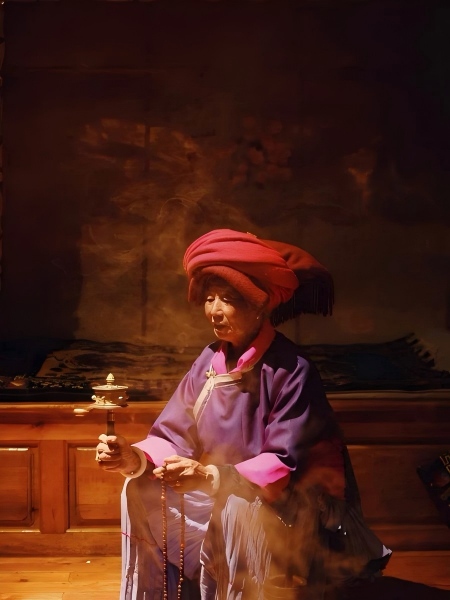
The spiritual beliefs of the Mosuo form a grand narrative centered around the “feminine.” The towering Goddess Gemu Mountain is the natural deity they revere; meanwhile, in every Mosuo household, the dim yet warm “Grandmother’s Room” (the room of life and death) serves as the family’s spiritual sanctuary. The embers dancing in the fire pit symbolize the endless continuity of the matrilineal bloodline. Here, life, death, the mundane, and faith are perfectly woven together, revealing a worldview that is extremely peaceful, inclusive, and radiant with maternal glory.
More From yunnan ethnie