yunnan ethnie
The Pumi: Nomadic Echoes Atop the Plateau
Geographic Habitat: The Vast Highlands of Northwest Yunnan
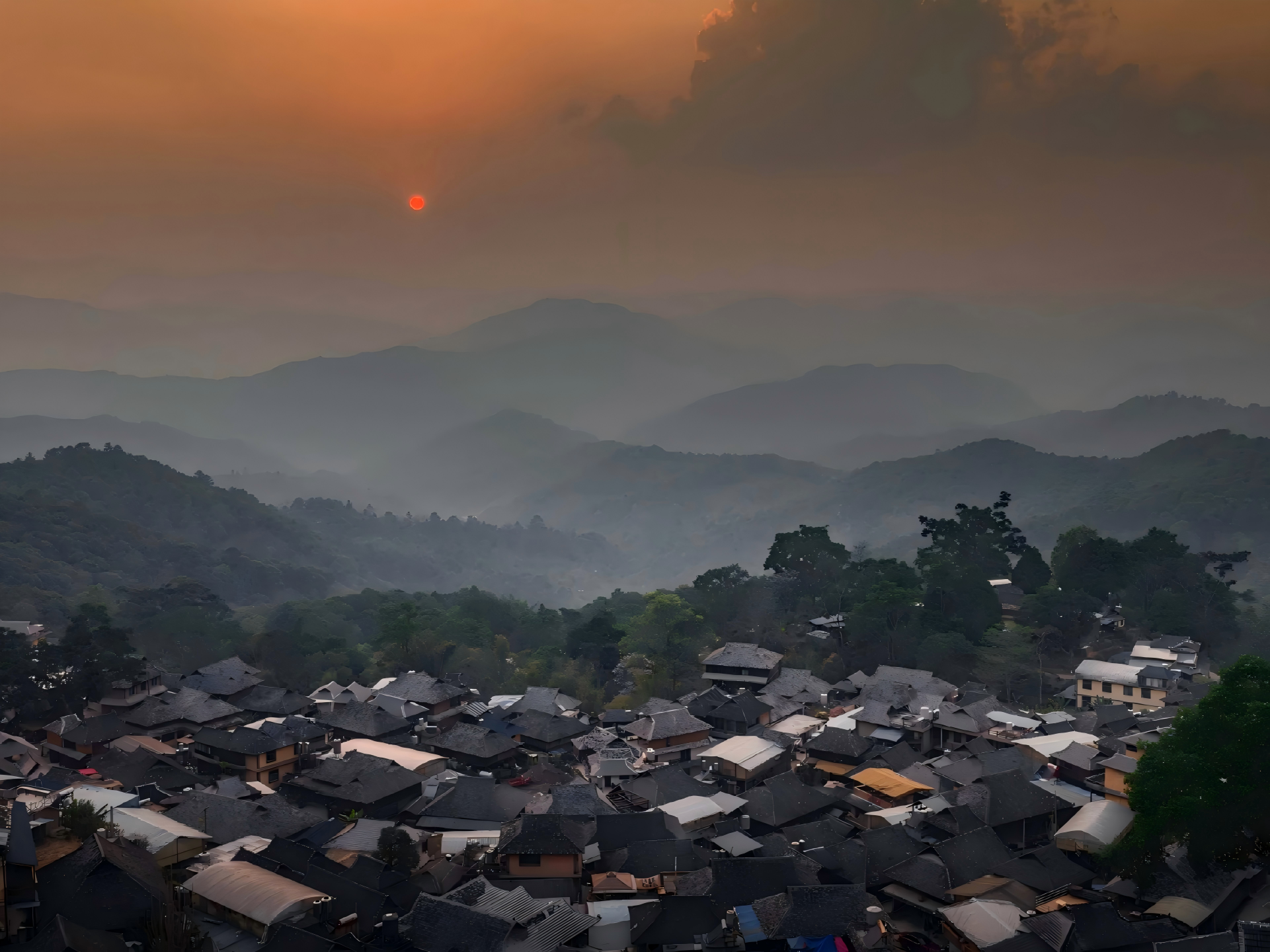
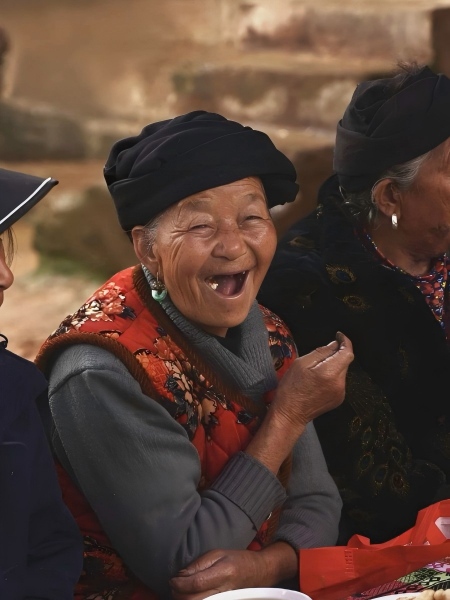
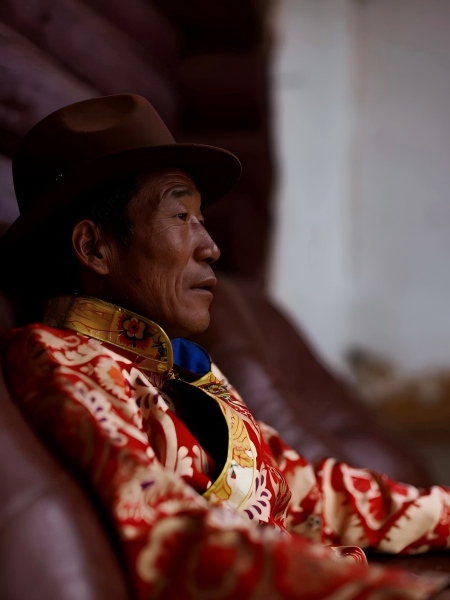
On the vast highlands bordering Lanping, Lijiang, and Ninglang, the Pumi people have chosen a deeply introverted, communal way of life. Their wooden log cabins are mostly built on sun-facing mountain waists, surrounded by lush pine forests and alpine meadows. Cold winds blow from the snow mountains, yet the Pumi live a composed, semi-agricultural and semi-nomadic life on this chilling land, guarding their fire pits.
Historical Roots: Descendants of “White Barbarians” from the Snow Realm
Historically referred to as “Xifan” or “Baifan” (White Barbarians), the ancestors of the Pumi were ancient Qiang nomadic tribes from the Qinghai-Tibet Plateau. Over the long river of history, they moved southward along the folds of the Hengduan Mountains. This long-distance migration spanning millennia ensured that their culture always retains a profound attachment to cattle and sheep, as well as the inherent broad-mindedness and endurance characteristic of nomadic peoples.
Spiritual Totem: Hangui Religion and the Fire Pit of Tracing Roots
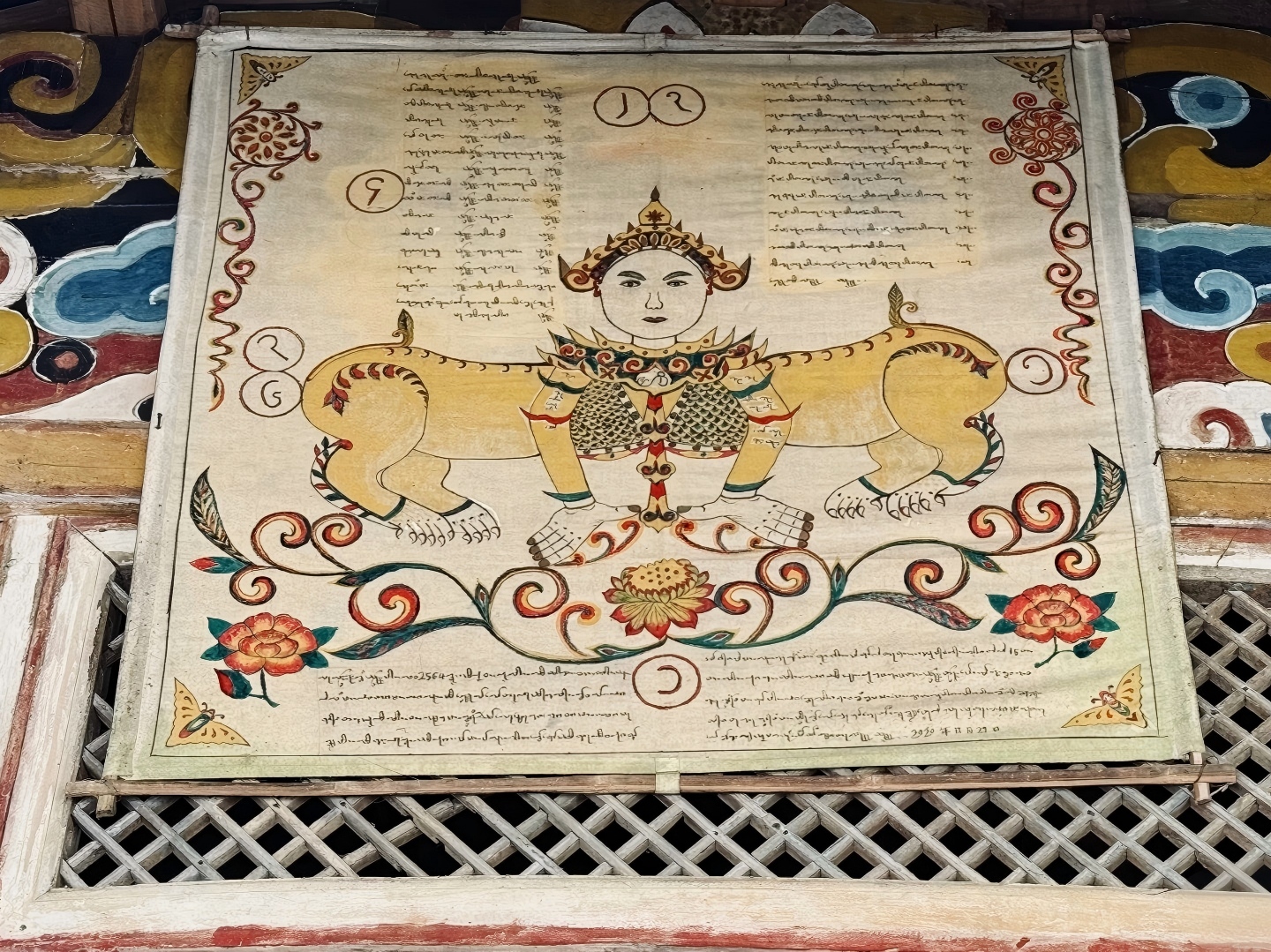
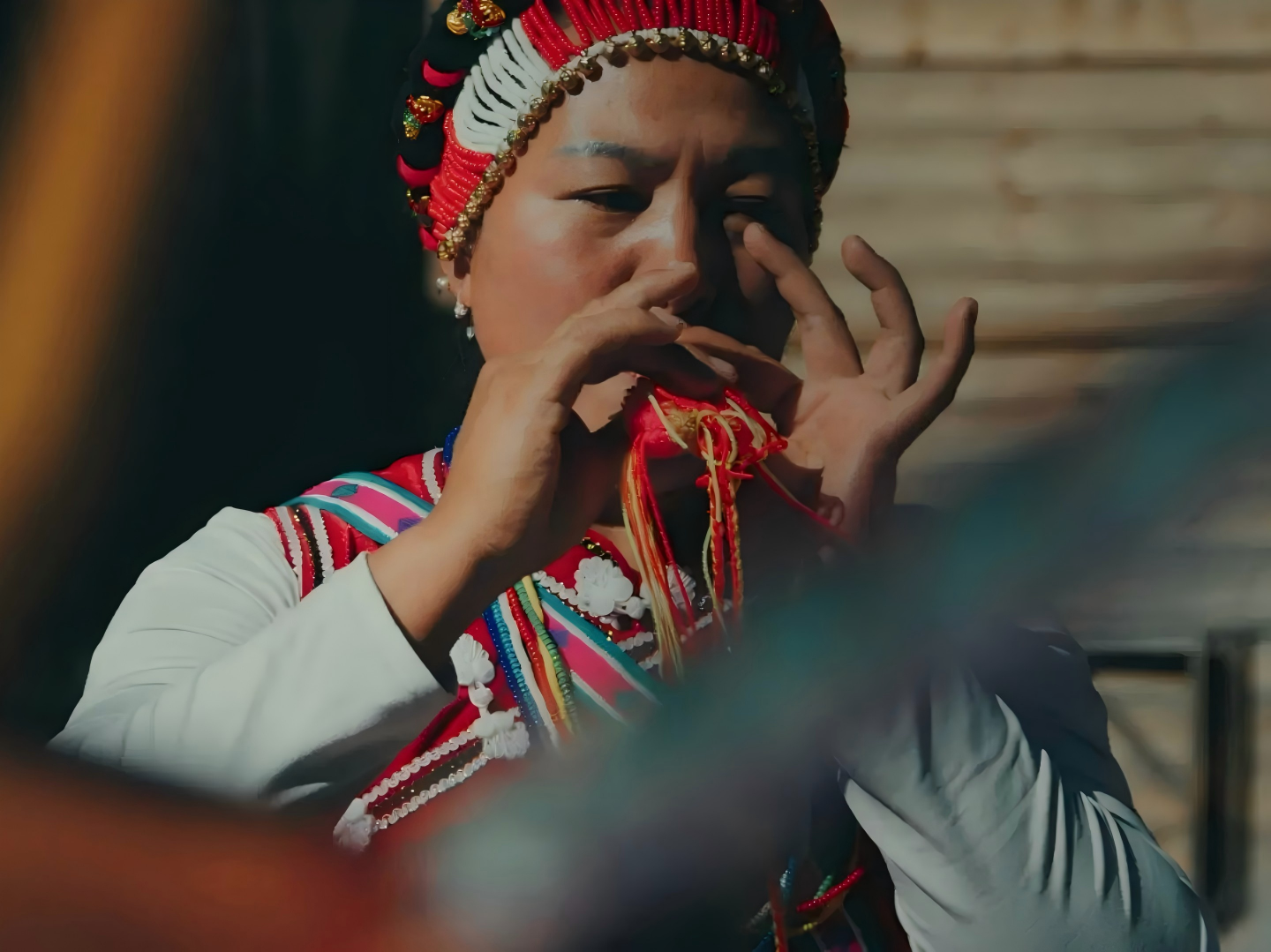
The fire pit is not merely the center for warmth for the Pumi; it is the absolute sacred ground for communicating with deities and ancestors. They follow the ancient “Hangui” religion, revering nature and venerating their forebears. Whether during the ancient coming-of-age ceremony of “stepping on the fat pig” or dancing the passionate Guozhuang dance to the melodious four-stringed lute, every chant of the Pumi uses archaic syllables to send the deepest calls to the souls of their ancestors far away in the northern snow realms.
More From yunnan ethnie